
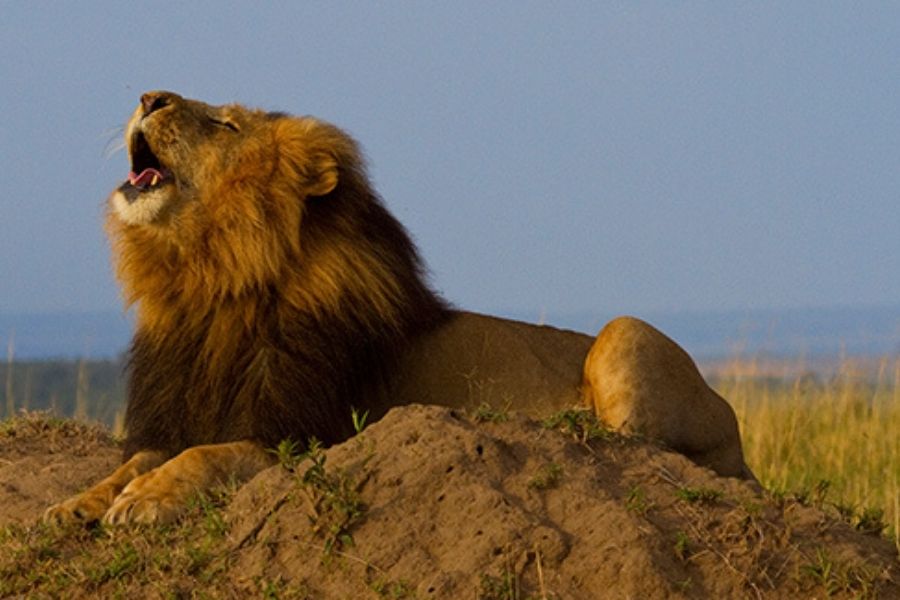
Buffalo Springs National Reserve
Quick Facts
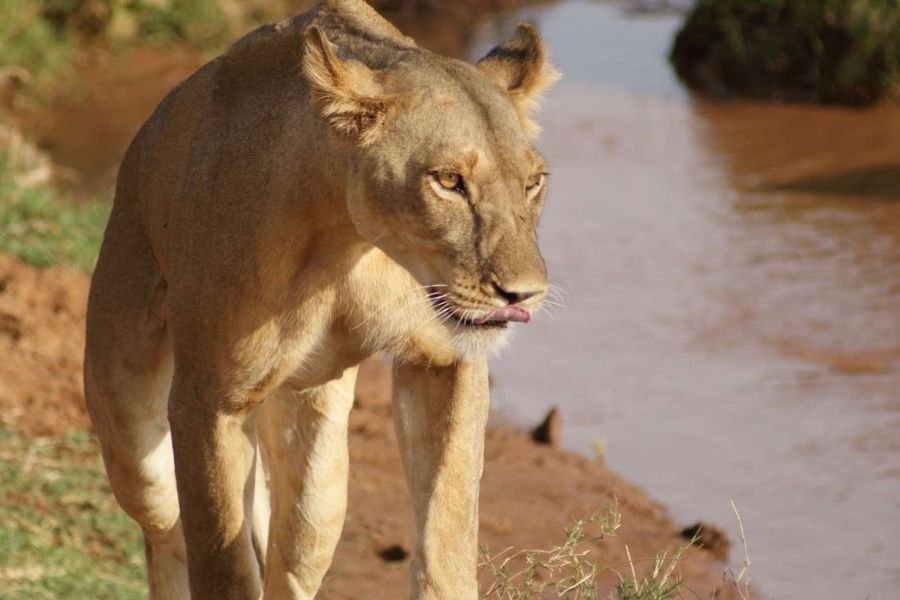
- Has excellent wildlife viewing. Chances of finding the big four of the Big Five are high (rhino excluded) There are interesting mammal species restricted to the barren north. It's a beautiful and arid scenery
- Has excellent birding with many dry country specials
- Less busy than its sister park (Samburu) north of the river
- Limited accommodation options compared to Samburu
- Very hot and dry
Description
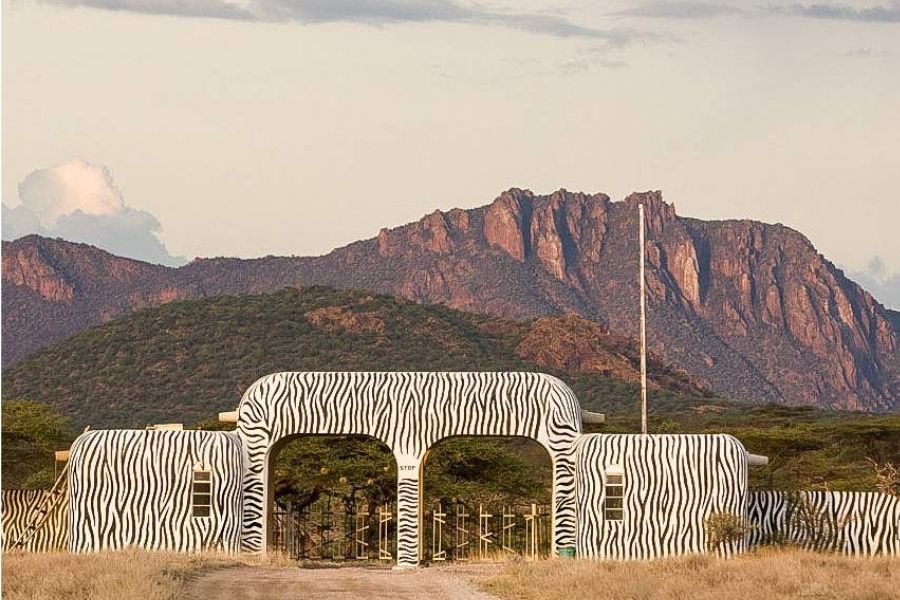
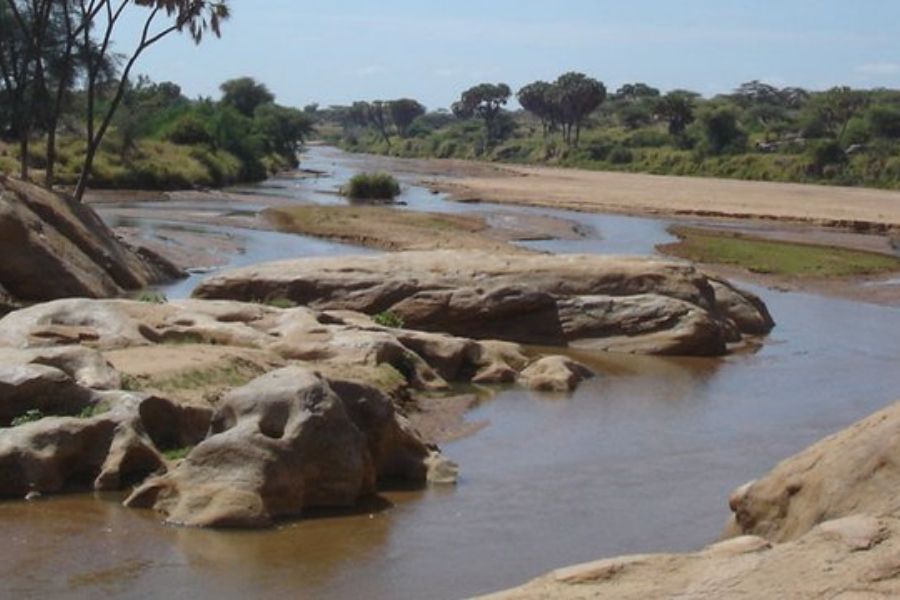
Buffalo Springs National Reserve is a remarkable reserve with lava terraces, rolling grasslands, doum palms, forests, scrub brush, Ewaso Nyiro River and springs for which the reserve is named.
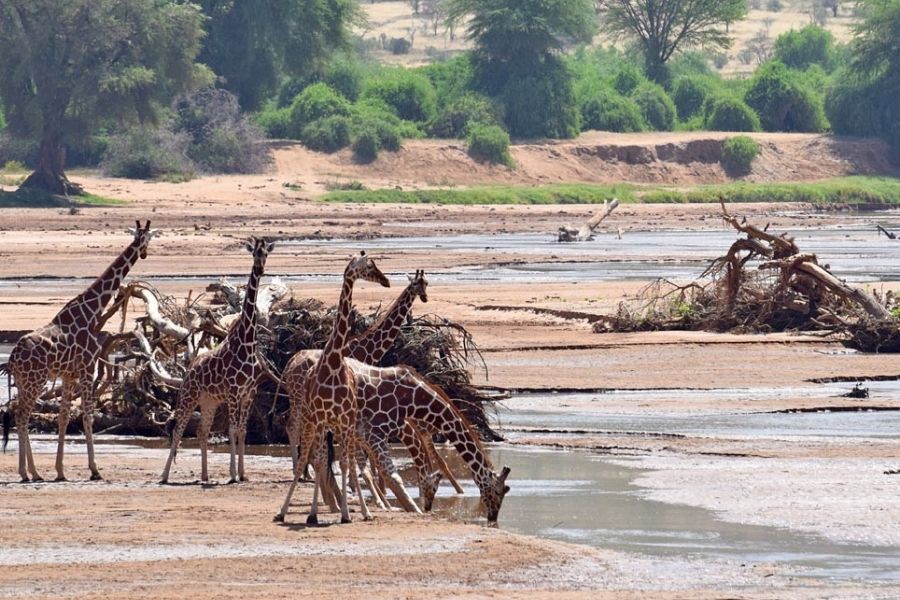
Its bordering Samburu National Reserve to the north and Shaba National Reserve to the northeast. This vast open protected land is the home to wildlife's rare northern species like reticulated giraffes, vulturine guinea fowls and Grevy’s zebras, all of which are unique to the region.
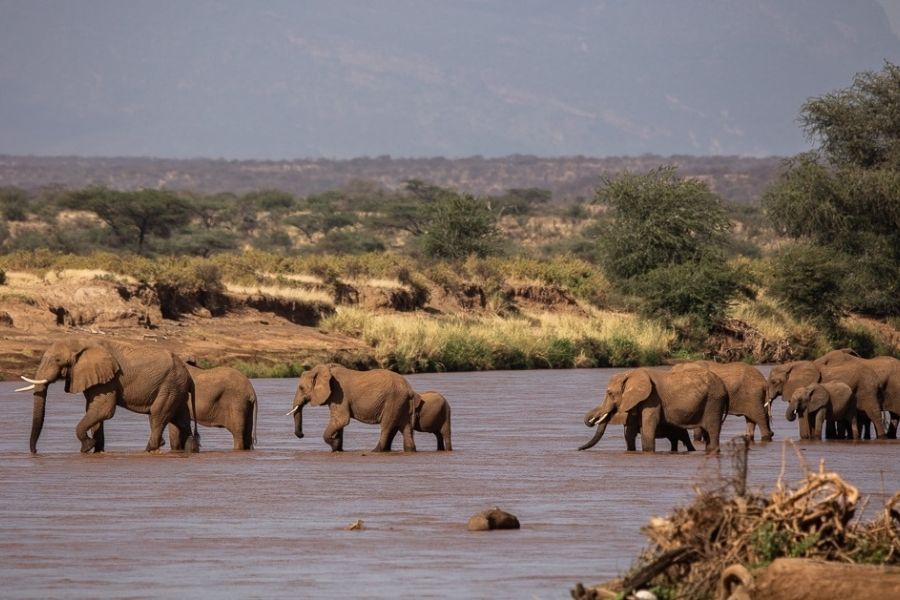
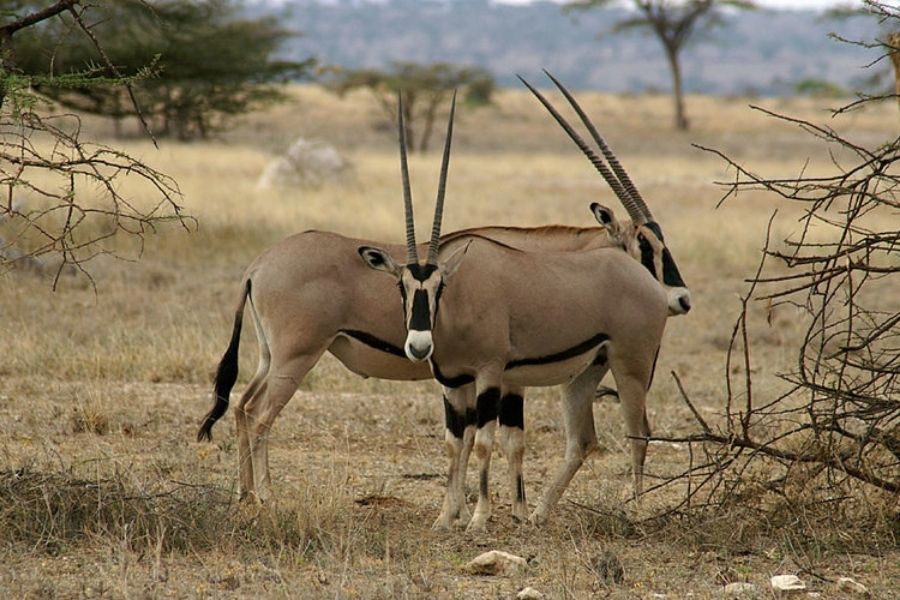
These beautiful animals are joined by other rare species, including Somali ostriches, beisa oryx and gerenuks and many other in Kenya's protected areas. Foragers and grazers include elephants, hippos, olive baboons, buffalos, Grant’s gazelles, to name a few.
Best Time for Wildlife Viewing
Buffalo Springs doesn’t get a lot of rain and can be visited throughout the year, but the best wildlife viewing is in the Dry season from June to October. At this time, the vegetation is minimal and animals congregate around predictable water sources. April is the wettest month, and wildlife viewing can sometimes be more challenging at this time.
With more than 450 species recorded, birding guests will be privilegded to see birds that are found in northern bush country and riverine forests. These includes the lesser kestrels and Taita falcons which are globally threatened species only thriving under the protection of the reserve. Other vulnerable species include great egrets, martial eagles, African darters and yellow-billed ox-peckers.
Common species include bee-eaters, yellow-billed hornbills, lilac-breasted rollers, grey-headed kingfishers and many more.
Best Time for Bird Watching
Bird watching is exceptional, because many unusual, dry-country specials are here all of the time. The birding only gets better when the migratory birds check-in from November to April. The short and long rains peak during November and April, so keep that in mind when planning your trip.
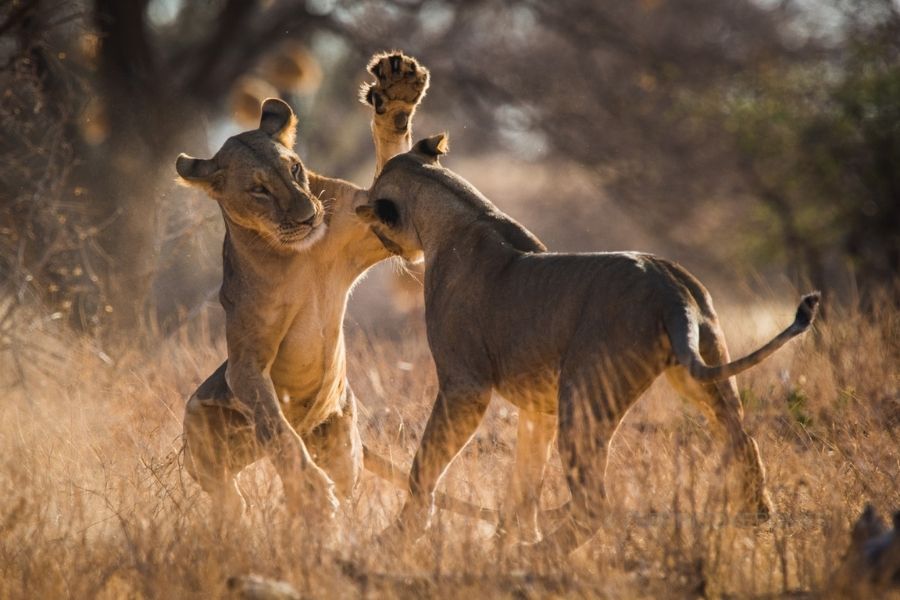
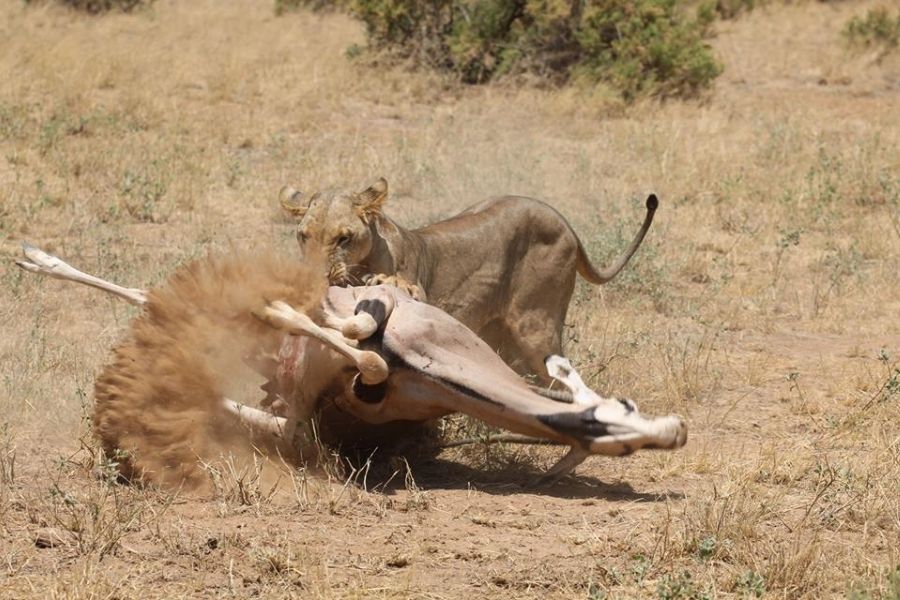
Game drive travels across vast distances with an expert guide from Blavals Adventure will ultimately improve your experience to explore the land, animals and people. This way you may even witness a lion or cheetah kill, protective elephant mother fend off crocodiles on the beach banks of the Ewaso Nyiro River and the playful banter of gazelles on the savannah.
To sum it all, along the way, you will be joined by members of the local Samburu communities who are generously personable and happy to share their traditions and beliefs, and you may visit their villages for a complete immersion into their ancient culture.
Best Time to Visit
The springs see some heavy local traffic in the Dry season (June to September), when getting a drink is the animals’ main concern. This is the best time to visit for wildlife watching.
If you’re after some lovely scenery, you may want to drop by in the wetter months. This is when rain clears the air of dust, and the vegetation is beautifully lush.
Wildlife viewing in Buffalo Springs is superior in the dry months, from June to October and December to March. If a visit coincides with the peak of the short rains (November), and in particular during the long rains (April and May), your wildlife watching experience may be slightly compromised.
At those times of year animals disperse, making spotting more difficult. June to October –Dry Season Wildlife viewing is better when animals are congregating close to water sources It is sunny and there is almost no rain Malaria usually isn’t an issue in the dry season Very dry and dusty The sky is hazy and scenery is less beautiful November to May –Wet Season Scenery is beautiful and lush April to June is low season and lower rates may apply Although wildlife viewing is better in the dry season, there are still plenty of animals around
Best time for bird watching with migratory birds present Road conditions can be bad in April and May Rain can interfere with your activities in the peak rainfall months, especially April Getting
There Buffalo Springs is located 355 km/220mi north of Nairobi. You can drive to the reserve from Nairobi or another park depending on your itinerary.
There are also daily scheduled flights to airstrips in Buffalo Springs, or neighboring Samburu NR from Nairobi.
Most visitors from Europe or North America flying to Kenya choose to arrive in Nairobi, as this is the biggest transport hub. Jomo Kenyatta International Airport (NBO) is located 15km/9mi southeast of Nairobi. Moi International Airport (MBA) is Kenya’s second international airport, and is located 9km/6mi west of Mombasa.