
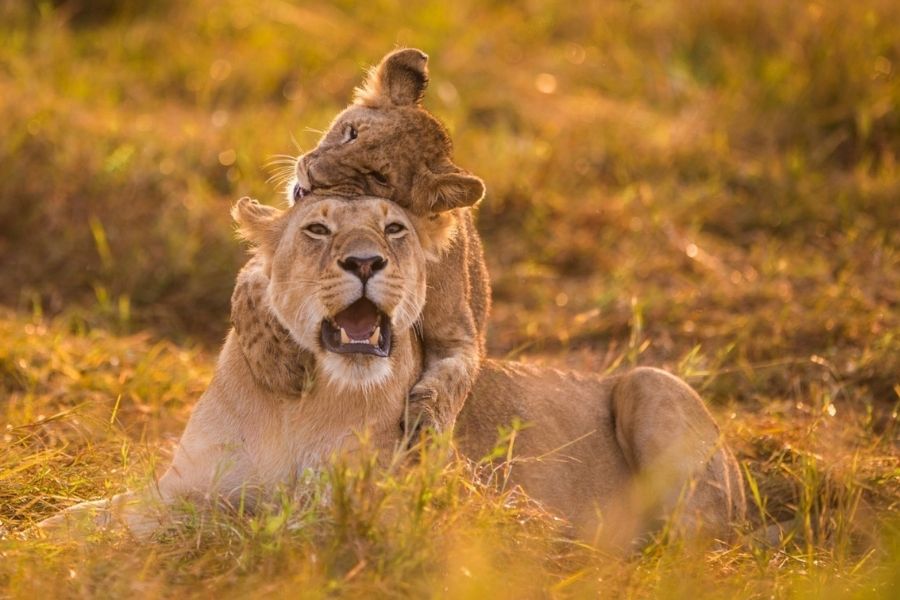
Hey there, Kenya is once again announcing The greatest safari on earth - the great wildebeest migration! Not that it ever went away, you understand, but it is about to get to its cycle. And here we are to make it back to what’s you well know it of, despite the two years we have been in the Covid Travel ban.
It hasn’t been easy but it is back right, and mind you all the corners of the world with everyone who had been on hold for the safari is on the way. What about you?
Yet the the great wildebeest migration is not the all you will excite about when you come to Kenya - Lets delve on the diversity of kenya's wild adventure destinations - a must visit.
People have always regarded Kenya as a wildlife destination – Kenya has news for you: the real adventure, has migrated beyond south and it's back north, back to its original home, where the like of Hemingway and Roosevelt and finch Hatton found their Africa. These days it doesn’t have to only be the Masai Mara. Either because a host of other much wilder safari destinations have come of age. And what they offer is undoubtably the greatest, most exciting, complete compelling real adventure in the continent.
Here is just a small taste of the wild ingredients that make up Kenya the Greatest adventure melting pot.
Action sports.
With many years recorded offering the world’s best game viewing, Kenya is pulling out of all stops to offer an even more wild adventure, where you can follow your elephant tracking with an all together different adrenaline charge. The opening up of the wilder areas of Laikipia, Tsavo and the Great Rift Valley have led several specialist safaris companies to offer action adventures in some of Kenya’s most stunning locations. Together with white waters rafting in Uaso Nyiro river, you can now experience Kenya’s most challenging action sports here – paragliding across the great rift Valley, climbing on the 30 awesome technical routes up Mt. Kenya, Mountain biking among the great games of Laikipia, or jogging on several private game reserves, horse riding – including the now famous Safaricom Marathon at Lewa Downs, where some of the bests runners go feet to feet with Masai warriors and the endangered Black Rhinos.
Bird Watching.
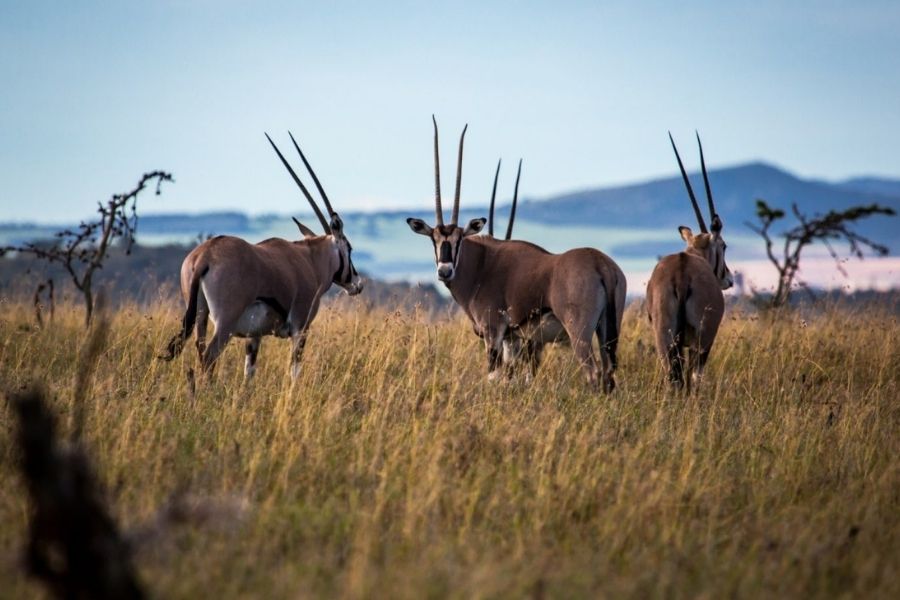
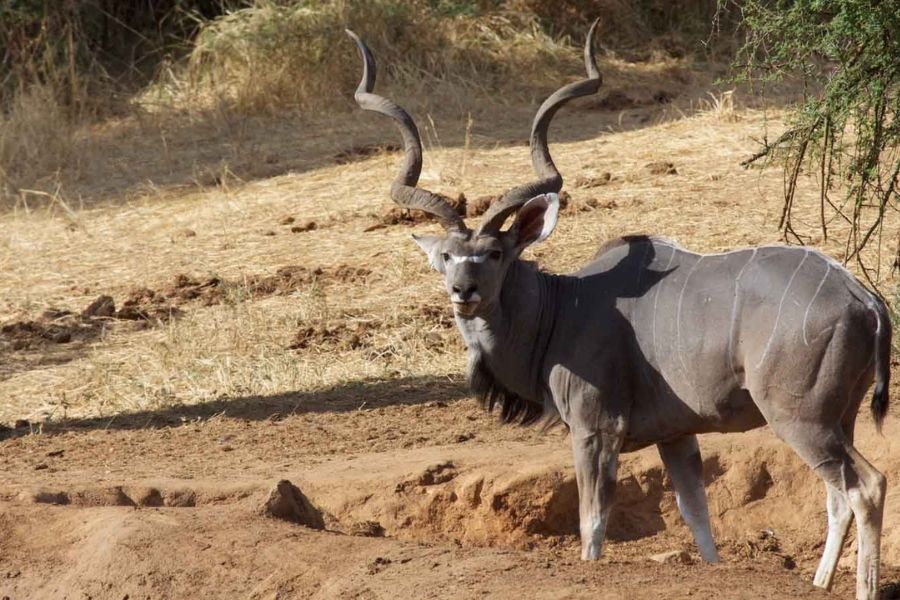
Among the world’s greatest birding spectacles, none can beat the incredible avian metropolis of the Kenya’s great Rift Valley lakes. At lake Baringo more than 400 spectacular water birds, birds of prey and European migrants meet in a single destination feted by The Guinness Book Of Records for the most species ever spotted in a single day. Consider the 35 sparkling sunbirds in the forests of mt. Kenya and Kakamega, the stunning lammergeier vultures at Hell’s gate , the world’s rarest owl, the Sokoke scops, in the ancient coastal forest of Arabuko Sokoke, or the rippling pink sheet of over 2 million lesser Flamingos that prompted sir Peter Scott to call Lake Nakuru “ The world’s Greatest Bird Spectacle”. We nest our Case.
Camel Safaris:
Among the wildest tours of the world’s wildest lands, few can beat a footloose camel safari across Kenya’s Northern desert. With experienced companies running these unique adventures, including Ewaso River Camel Hikes, Desert Rose as well as Wild Frontiers, which have been guiding camel safaris for over 20 years now, you are sure for an experience of a life time. The itineraries include the elemental wilds of Samburu, the epic waters of Lake Turkana, and the remote Oasis of the Mathews and Ndoto Mountains - home to migrating elephants, prehistoric cycad palms, And the ancient tribal initiations. These trips last from three days to three weeks, whereas accommodations range from a sleeping bag beneath the stars to magical cottage at Desert Rose, where the End of the Earth meets atop sacred Mount Nyiru.
Kenya’s Diversity.
No, its not a name of a safari company, but really in Kenya how can we not boast about it? With the Ancient sacred forest, along the Kenyan coast, the rugged-snow-capped peaks of mounts Kenya and Kilimanjaro (just over the border), the glistering white beaches, the intense green tea plantations, the burning yellow deserts, the sparkling “jade sea” of Turkana – The geography is arguably unmatched in the planet. And you can see it from an unmatched diversity of perspectives: from Landcruiser, to horseback, hobbies cart to parasails, hot air balloons, helicopter – or often most adventurous of all, on your own two feet.
Ecotourism.
Suddenly after rather a couple of wasteful decades, Kenya is getting very serious about the preservation of its natural assets. Looking after Rhino and Roan antelopes are one thing, but if you are not looking after their habitats you are just delaying the inevitable. Fortunately, Kenya has woken up to this reality. With the help from European Union, USAID and other farsighted donors, several unique community conservation schemes are taking off and established tour operators are getting together to ‘think green’. The dynamic Ecotourism society of Kenya is planning to have a strict series of eco-rating criteria in place by early next year.
Family Safaris.
At last, its not just hardly adults and wealthy old timers who can leap Kenya’s natural rewards. Several safari operators and hotel groups have launched innovative new options for families with young and older children, activities that help guests to really understand the wilderness they are visiting. A fine Example is Heritage Hotels’ Adventurers’ club which offers educational safaris at the coast and the preserves of Tsavo, Samburu and Mara, with everything from the animal studies and bush skills to sports contests with local kids and game drives aboard a fleet of child-friendly trucks. And the guides are genuinely child friendly themselves – so that mum and Dad can rest very assured by the pool!
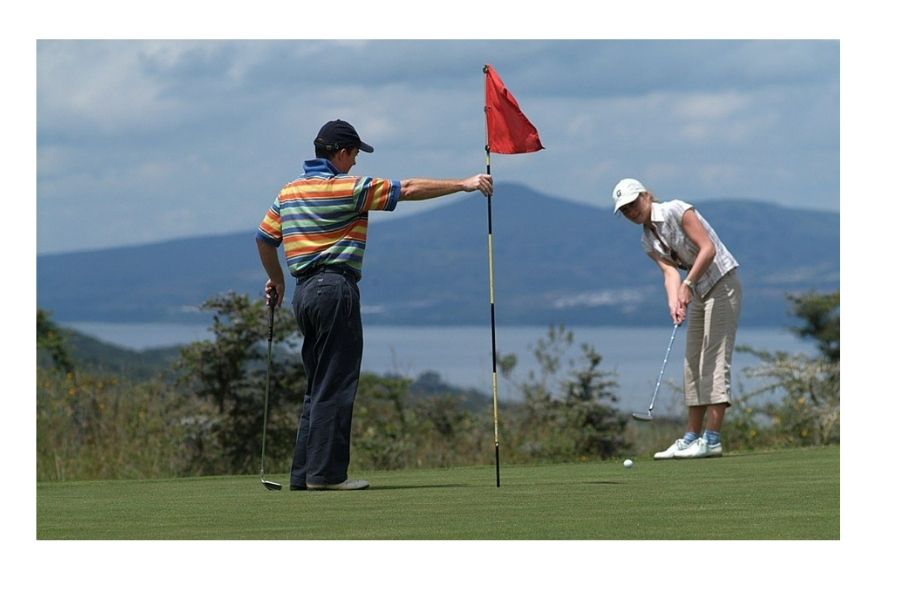
Golf.
It’s a surprise that Kenya has never blown this trumpet louder, because it really does have some of the most beautiful and challenging golf courses in the world. From the forest-franked fairways’ of Nairobi’s Winsor, Karen and Muthaiga clubs to Antelope-dodging antics at the Aberdare country club and playing against the world’s most spectacular backdrops at Naivasha’s Great Rift Valley lodge & Golf Resort, Kenya is going green in every sense – and making the rest of Africa turn it in envy.
Helicopter Safaris.
While Kenyan safaris were supposedly dropping into the doldrums, another group of visionaries was quietly lifting up the awesome “wild week” – a magical week long safari in a five – man squirrel helicopter, flying across the spectacular deserts of Northern Kenya to various verdant oasis with swimming pools and bathtubs with hundred – mile views. Of course, it’s expensive but if this doesn’t get you high you should probably think about joining the next wave of American space tourists.
Il’ Ngwesi
There are so many spectacular destinations in Kenya, but not one of them stands out for this single individual beauty. Il’ Ngwesi stands out for individual mention, if only because of the incredible success it has enjoyed in saving its wild surroundings. Where once this 16,500-acre community ranch in Laikipia was only known for its ivory poaching and live-stock ravaged land, a small four room ecolodge have in five short years succeeded in turning around years of destruction, declining wildlife numbers and most importantly local’s animosity towards elephants and lions. Both can be seen here in abundance, with the ran becoming one of the endangered rhinos’ conservancies in Kenya.
Kenya And Jumbos.
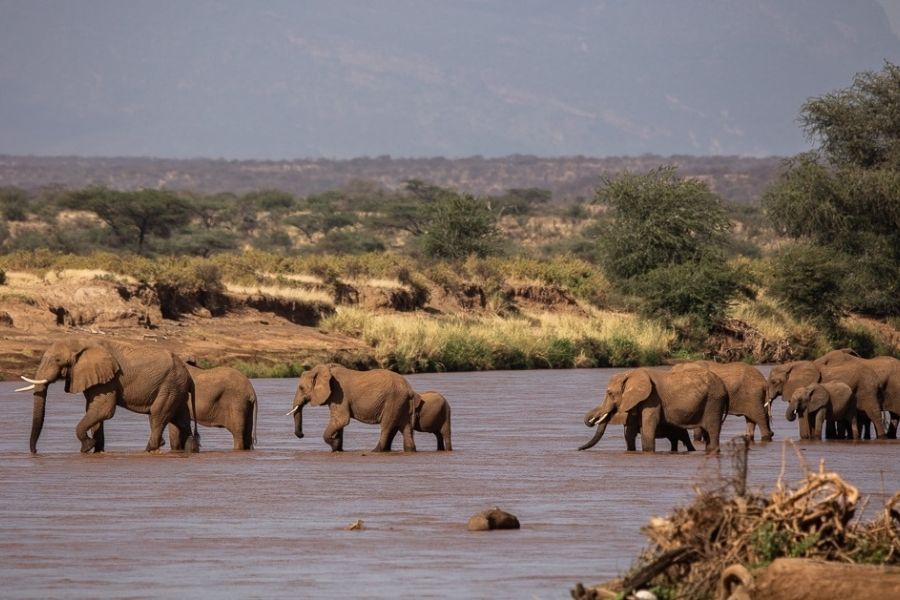
Of all Kenya’s charismatic creatures, none evokes such pleasure (or in the past such pain) as the enigmatic and emotional African Elephant. Since it launched the Global stand against ivory trading (and lead the movement against its resumption at the last CITES meeting) Kenya has been in the forefront in the research against this magnificent beast – which means ensuring its survival. Its not all snooty closed - door academia either. Iain Douglas Hamilton, the world’s famous elephant researcher invited team of researchers to join his team in “Elephant watch safaris” in Samburu National reserves where they helped to track, record and study the movement of the elephants which they knew well personally. In Tsavo Galla camp, gave participating tourists a unique chance to hang out with elephant researchers while several lodges in Laikipia have affiliated research camps which are happy to take guests into the field. Lewa and Solio have long been studying the rare black Rhino, while Loisaba has been conducting the world’s first research on the stripped hyena and several other ranches are also involved in in the Laikipia Carnival project, which was examining means to keep Laikipia’s Livestock off local lions’ lunch menus.
Kenya Professional Safari Guide Associations.
In 1995, a group of disenchanted safari guides got together to discuss the declining standards of guiding and the needs for a certification scheme. The result was the KPSGA which test the applicants in everything from elephant to etiquette, bugs to birds, insects to ingenuity before approving them – and then commit themselves to strict social and environment code. Kenya is arguably therefore back to where it was at the beginning of the 20th century with the best Outdoorsmen in the world.
Adventure with Luxury.
Let’s face it for real, Live cannot be lived without a little luxury. While Hong Kong and Dubai get visitors with the promise of seven-star services; Kenya has always rested on its laurels in this department t until now. In recent years we have seen the emergence of spectacular lodges, tented camps and resorts opening up and bringing a new order of luxury, sophistication and out light incredible high levels of personal services. The luxury of Borana and Ol Malo in Laikipia must be seen to be believed. More so there are even more luxurious camps springing up in the country’s time-tested-destinations – Bateleur and Explorer in the Mara, Kilalinda in Tsavo, Elsa’s Kopje in Mer. If luxury has a lap, then Kenya’s superlatives are in serious danger of slipping below the belt.
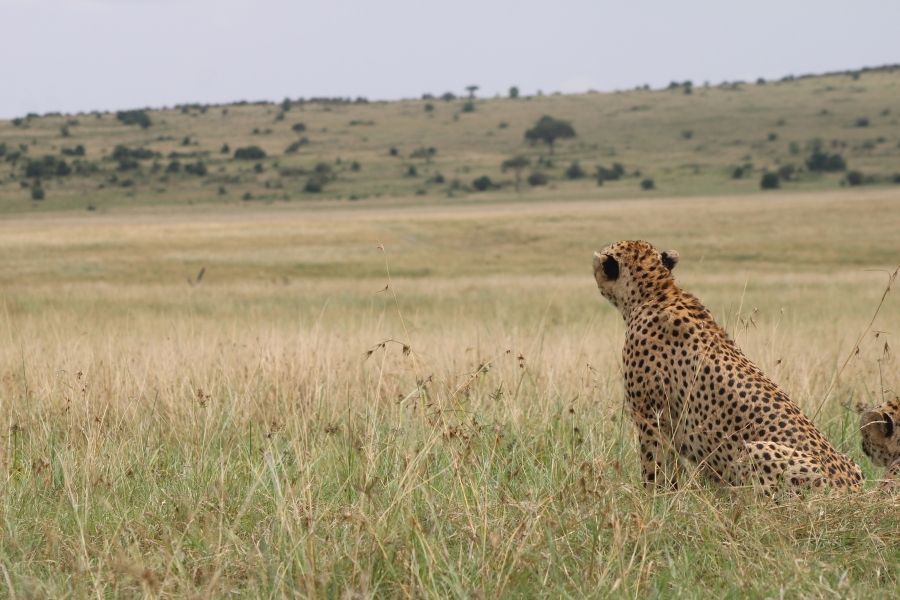
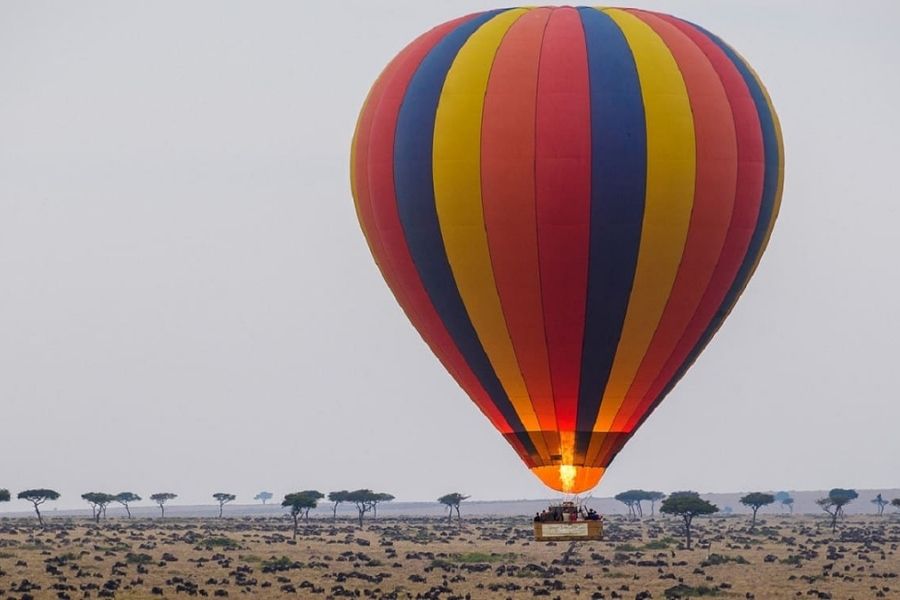
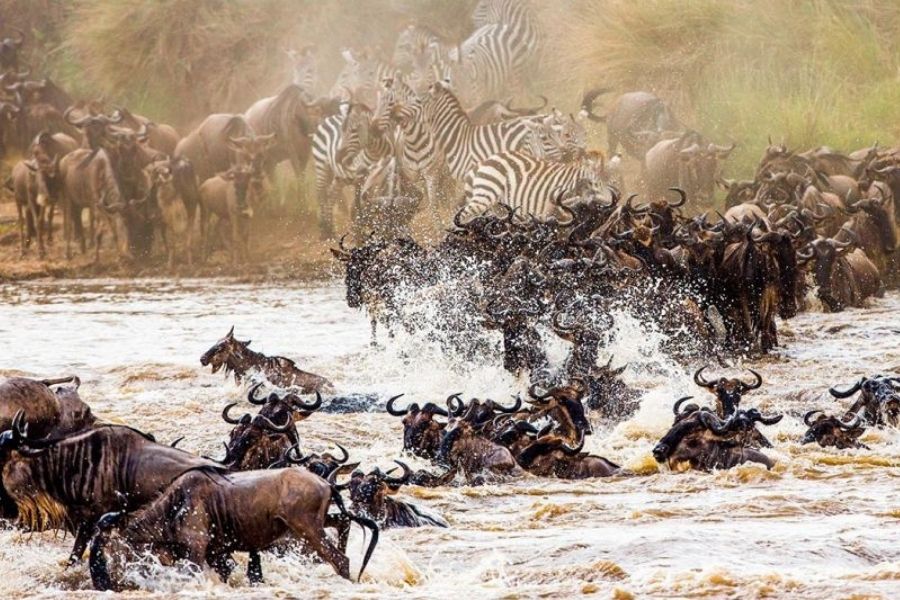
Masai Mara -The 8th Wonder of the world.
Masai Mara National Reserves is the world’s talked about wilderness still getting crowned in the summer months, but wow – its still worth your visitation. Tell me where else in the planet can you see all the big 5 in the space of an hour, and let you drift back to the birth of our ancestor a few miles down the road? Its all here.; the magnificent migration, mankind’s cradle, Masai Initiations – indeed witness a million magical moments to make you go “Mmmmmmmmm...”
Kenya’s Overland Safaris.
This might sound like a week activity in the line of adventure, but considering the huge numbers that are still taking the long road to Africa, only then will you have to think otherwise. Kenya has been the centre of the overland business in Africa for the time now. If you visit Nairobi Park services camp site to see where the business is going, you will find visits to Uganda to see gorilla, and other camps around Kenya. Currently we are seeing a lot more respectable types of visitors such as Doctors and IT specialist getting involved in these overland safaris.
Rewarding Excellence with Adventure.
In the growing business of incentives travel, Kenya is emerging as the Africa’s ultimate reward – a DESTINATION WHERE A DOZEN OF HIGH-ACHIEVERS can bond over a magical safari, or parties of 800 can be hosted and entertained in utter style at “ grand out of Africa” galas or sumptuous banquets in the bush. This well-established business has attracted a range of specialist incentives companies. It has also seen the establishment of Kenya’s classic attractions such as game drives, hot air balloon safaris, diving with dolphins with of course a number of added advantages which involves serious safety measures.
Turkana – The Cradle of Mankind.
Turkana is one of the most dramatic, soul-stirling places on Earth, where guests can fly in for tea aboard a charter plane, or spend dramatic days searching for their ancestral roots among the pastoralists Turkana and the Crocodile hunting El Molo (the world’s smallest tribe. You can drive of fly from the ranches of Laikipia, camels from Samburu and a variety of intrepid operators. Prepare to go for further back in time than beyond your known usual back!
The Underwater World of Kenya.
This forms the home to some of the Indian ocean’s most beautiful and endangered creatures, from the sperm whales and whale sharks to sea turtles and dugongs. The hard-hitting maritime legislation is however being able to preserve these precious species, together with the fragile coral reefs and Mangrove forest on which they and the entire marine ecosystem depends. Visitors to the coast can immerse themselves in this world with some of Africa’s most experienced underwater hosts; the aqua ventures on the spectacular off shore reefs at Watamu, diving the crab on the sparkling southern reefs, the buccaneer diving on the Kenya’s famous deep-water hiden reefs.
Water sports.
There is no other country that can Match Kenya’s wild life on the ocean wave. Alongside other types of fun craft – from jet skis and parasailing to water-skis and wind surfing, Kenya offers some of the best big game fishing in the world, including an epic sail fish run for October to December that can see boats land up to 20,40 kilo fish a day in Malindi and Watamu. The Marlin are world class too with big runs of up to 800 pounds blue and blacks from December to March. With its state-of-the-art Boats, highly experienced captains and displined tag-and-release systems, Kenya’s fishing comes in all shapes and sizes from the legendary tale-stretching bar of Hemingways at Watamu and sea adventures in Shimoni to the private pampering of Malindi Indian Ocean lodges.
Cross Border Safaris Haven.
The cross-border safaris are possible because of Kenya’s location, which is endowed with offering umpteen unique opportunities for reaching the parts that the Boers can’t reach. Fancy an Unforgettable wild encounter? The gorillas of the Bwindi Impenetrable forest in the neighboring Uganda will force you to look deep into your soul (as well as into your Shoes). How about the Ultimate Hiking challenge? You can’t get much higher than the “roof of Africa” just over the Tanzanian Border. Want Another wildlife spectacle? The Mara ecosystems extends into the vast grass plains of the Serengeti, where a million wildebeests meet the ghost of the ancient Homo habilis. Need to cross a more active border? Try paragliding in the rift valley, base jumping the Mathews mountains, or just watching the safari rally – the world’s toughest four-wheel challenge. If you got the brawns, Kenya’s full of brains.
Mark this as your moment of Experience.
Its one thing bosting about action and adventure but if no one knows you, you will get trouble finding your first base. Not so to Kenya, Blavals adventure will plan the A- Z OF ALL YOUR TRAVEL DETAILS. As the original home of African Safaris, Kenya lays claim to many of the notable serious experiences. It indeed has a wealth of record to have entertained guest from virtually all corners of the world. It is also boasting as the most hospitable people with the greatest geographical diversity which is indeed the newest safari adventure – Cultural Tourism.
With all these lined up for you, we fully understand that your hikes in Samburu, the jumping with Masai, jogging at the Lewa marathon and the battling with the 200 -pound perch, you definitely want to lie on the beach for a few days and Zzzzzzzzzzzz ….
Yes, this is what Blavals is good at, we listen, we are your planning partner to help you derive the best of your dreams for the most notable Adventure in Africa, Kenya in particular.
Welcome to Kenya – This is where natural attractions of the entire continent awaits!
Karibu Kenya.
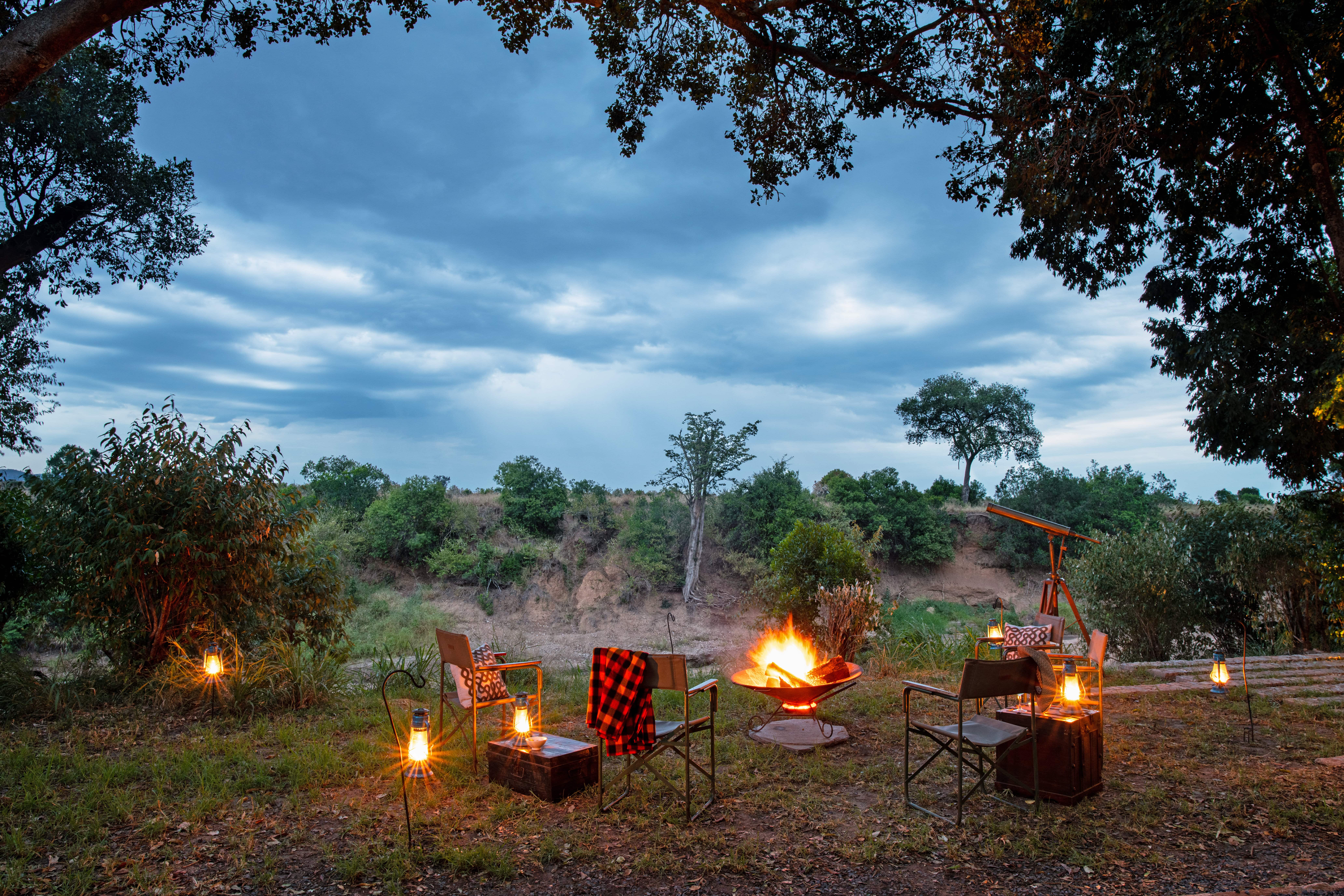
Welcome to the new style family holiday that has it all. Climb aboard for close encounter with the African wilderness, meet the Masai, snap a crocodile, ogle an oryx, whizz down a waterslide, windsurf a wave, embrace an elephant and google through coral.
Let us take you on an adventure ride though the wildest show on Earth, from tree houses and nature trails to chimp reserves and elephant sanctuaries. And from ostrich farms and coral reefs to dhow trips and camel treks. There is nothing quite like shared experience to bond the generations, no time so quality as that spent discovering nature. No memories so magical as those made on happy holidays.
Just some of the things you and your children can share.
- Visit a crocodile farm, an ostrich farm, a snake park.
- Take a trek on a donkey or camel.
- Go horse riding, mountain biking or white-water rafting.
- Spend a day at the famous Nairobi Giraffe centre.
- Stop over at the Sweetwaters chimpanzee sanctuary.
- Climb a volcano or go up in hot air balloon
- Sail away on a dhow or watch the sun go down on a beach barbeque.
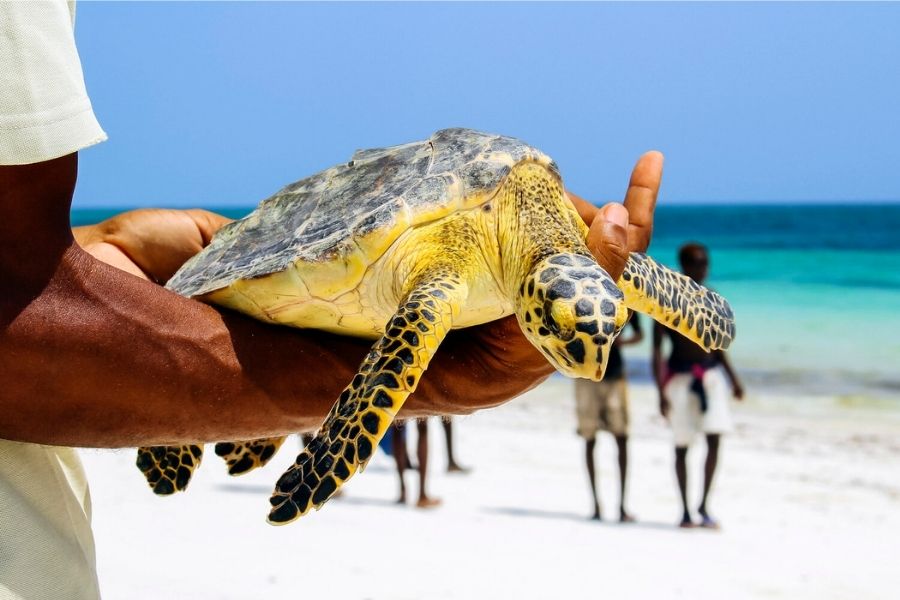
- Take in a dolphin tour or learn more about turtles.
- Try out coral reef diving, snorkeling or glass bottomed bot ride.
- Join a butterfly hunt in one of the last of the great tropical forests.
- Tour the haunted ruins of ancient Gedi and meet the ghostly sheep that lurks there.
- Branch out on a bird walk in the bush and see how many species you can count.
- Visit a Masai village; spruce up your spear throwing, make a bow and arrow.
- Visit a Kenyan school and plant a tree for Africa.
- Learn more about the insects, ecosystems, predator prey and elephants.
- Take up tracking, take some paw, pug and print castings.
- Peep into the cradle of mankind – at one of the Africa’s many famous prehistoric sites.
- Brush up your ‘bush craft’ and learn the basic bush survival skills.
However no true safari is complete without a good book. So, to ensure the perfection of your travelling, here is an illuminating, informative and enchanting selections that will be as much enthralling by hurricane lamp as it will under coconut palm fronted shade or … feet-up on the veranda.
The Essential safari reading list ….
- White hunters: the golden age of safaris by Brian Herne, published by Owl Books.
70 years of high-adventure, hard drinking, hectic danger, hot romance and hard to believe tales with the legendary great white hunters.
- A field guide to the tracks and signs: Of southern and East African Wildlife. By Chris and Tilde Stuart, published by Struik publishers (Pty) ltd
Every animal leaves a trace of its passing, a track, a dropping or a feeding sign, perhaps just a depression in the grass. Here is how to tell a pug from a pad, from a paw with claws.
- Swahili: A complete course for beginners, by John Russell, published by Hodder & Stoughton.
This teach you Swahili course will not only allow you to say “Hello” (Jambo) and “How Much” (Bei Gani) and “How are You” (Habari Yako) with verve, confidence and panache but it will also provide a fascinating into East Africa urban life, customer and culture.
- Warriors Warthog and Wisdom: Growing up In Africa by Lyall Watson published by Kingfisher.
A liltingly, lovely tale of an African childhood, full of curious creatures, whimsical folklore and deftly drawn characters. A gentle bedtime read to lull children and adults alike.
- Pyramids of life: Pattern of life and death in the ecosystem by Harvey Croze and John Reader published by the Harvill Press.
An illuminating, sometimes red-raw but insightful window onto nature and Africa that explains precisely how the law of ecology works.
- Cooking from Cape to Cairo: A taste of Africa by Dorah Sitole and true Love Magazine, published by Tefelberg Publishers.
A bright Melange of Traditional African tastes, cooking traditions and exotic recipes drawn from hotels, lodges and rural house wives alike; this book also tells you how to make Ugali cake and Sukuma wiki, two of Kenya’s most famous dishes. But served with quite difference, with a zebra and tomato concasse.
- Africa’s Great Rift Valley. By Nigel Pavitt published by Harry N. Abrams, Inc.
Travel a vividly evocative photographica and factual journey through Africa’s Great Rift Valley, the largest, longest and the most conspicuous feature on earth. Hosts to both the birthplace of Mankind and Countless indigenous peoples, with a landscape that ranges from searing salt flats to snow capped mountains the Rift is an epic of Soul-Stirling vistas.
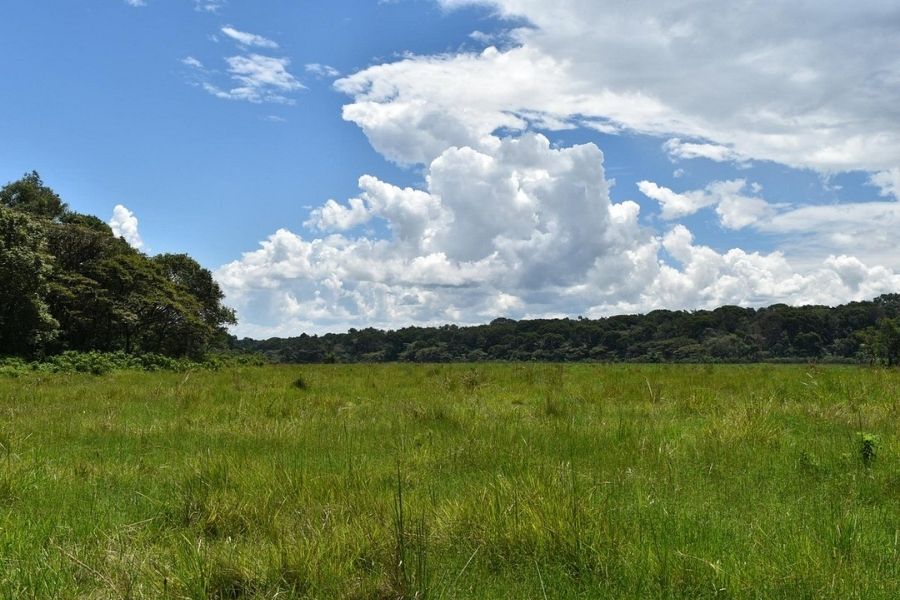
We begin our botanical safari where the palm-fringed beaches of the Indian Ocean welcome the weary travellers to the Kenya’s shores.
The coconut palms and the whistling pine(casuarina) that we find there also arrived here as travellers; having floated in as seeds from the Pacific. Now though, they anchor the sand, stabilize the shoreline, and provide shade thatching, fuel and delicious drink called Madafu.
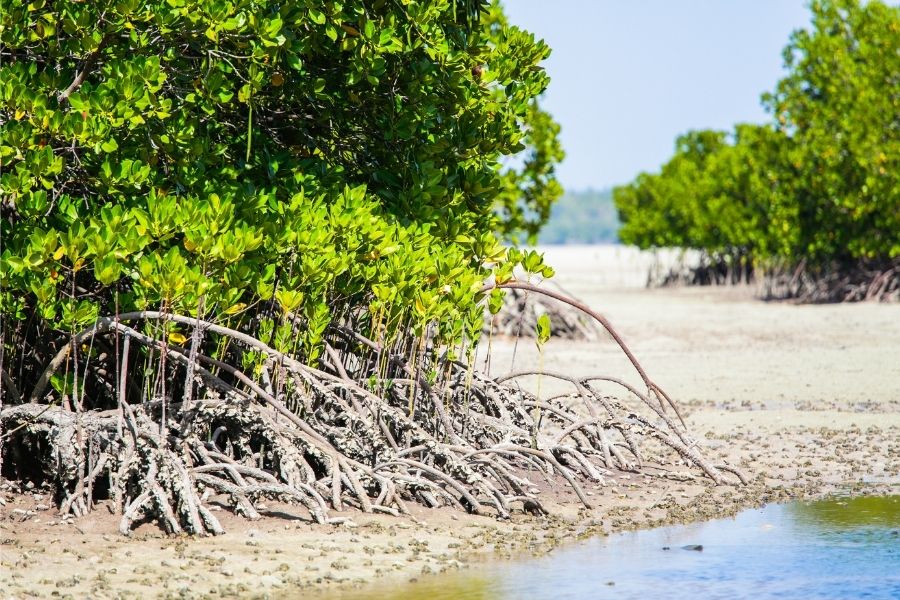
Mangroves lines the bays and coastal creeks of much of the Kenyan coastline; a unique group of trees especially adapted to living between the tides with their roots covered by sea water twice a day. And in the muddy ground below them, thousands of fiddler crabs display one oversized claw as they stand guard at the entrance to their burrows.
Travelling inland from the coast, our safari takes us to the silent Ruins of Gedi National Monument in Watamu where a long-deserted Swahili town nestles along the coral rag forest. Here there are massive Baobab trees and tall Gyro-carpus trees with seeds like helicopter rotor blades while only a few kilometres away, the Arabuko Sokoke forest Reserves offers us a choice of three forests in One; thick mixed coastal forest, open woodland on white soil and low dense thicket on red soil.
Heading inland, the vegetation changes rapidly to that of an arid landscape and here, where the Mombasa – Nairobi highroad bisects Kenya’s largest National Park, we find Tsavo East and Tsavo west, a vast expanse of pink sand and green bush, much of it acacia-commiphora woodland. Over 40 species of acacia grow in Kenya ranging from low hunched bushes with ‘wait a bit’ thorns to beautifully graceful flat-topped trees. Above this bush land, towers the magnificent Baobab trees.
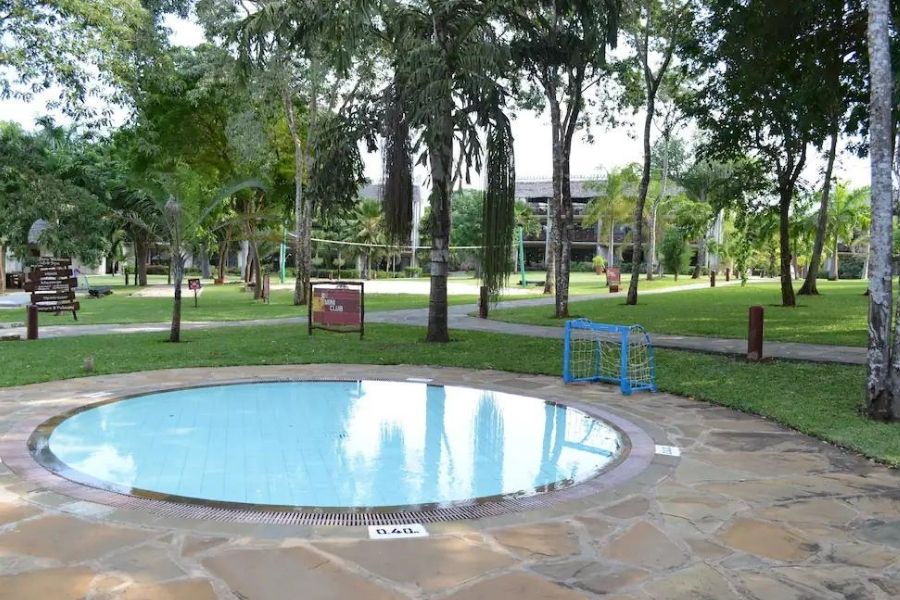
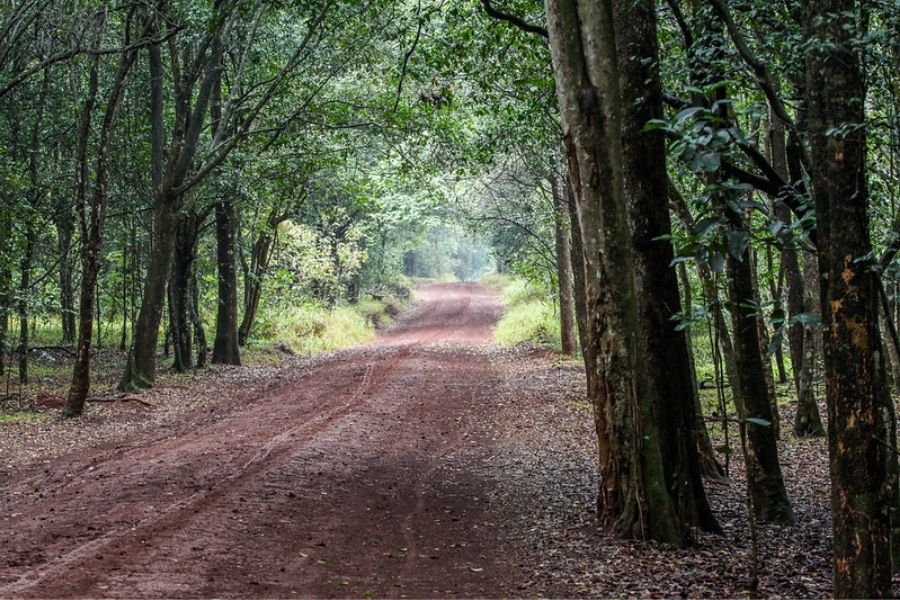
From here the land rises, and the landscape changes to the rolling grassland and wooded hills that stretch all the way to Mt. Kilimanjaro in the south, and Nairobi in the centre of Kenya. Here the city roads are bright with flowering plants from all over the world. There are brilliant borders of the Bougainvillea, purple avenues of Jacaranda, waving palms from California, and tall indigenous Nandi flames (African Tulip Trees) with large, cup-shaped flowers. Many of the world’s crop are also grown near Nairobi including coffee, tea and roses for Export, Maize, wheat, potatoes and beans for local consumption and fruits ranging from apples to pineapples.
Mount Kenya, the core of Ancient volcano that stands almost astride the Equator is also surrounded by farmland. Higher up the mountain is ringed by belts of thick vegetation made up of highland forests, mountain bamboo, mountain forest, thicket and moorland where giants form of senecio and lobelia can be found.
Meanwhile set like jewels down on the floor of the great rift valley, are the series of lakes, many of them Alkaline. On one of them, the fresh water Lake Naivasha, the thick sand of Papyrus reeds at the water’s edge filter out sediments and pollutants whilst around the shores of Lake Naivasha, Nakuru and Elementaita handsome yellow-barked acacias, and candelabra euphoria stand tall.
And moving on from the great rift valley …. Who knows where your safari may take you? If you visit the famous Masai Mara, you will find grasslands of red oat grass that feed great herds of large herbivores. If you take in Samburu, you’ll find graceful doum palms with branched trunks that adorn the dry landscape and if you travel to the western Kenya, you will find the little chunk that remain of the once vast central African rain forest, called the Kakamega forest.
But to see all the gloriously varied landscapes that make up the marvel lousily diverse mosaic and botanical Kenya …. You definitely have to book another safari.
References:
Some of the useful books to use on your botanical safari includes;
- Field Guide to the wildflowers of East Africa. By Michael Blundell, 1987, HarperCollins
- Trees of Kenya. By Tim noad and Ann Birnie, 1989, T.C Noad &A. Birnie, Nairobi.
- Wayside flowers of East Africa. By Teresa Sapieha, 1989, Sapieha, Nairobi, Reprinted 2000
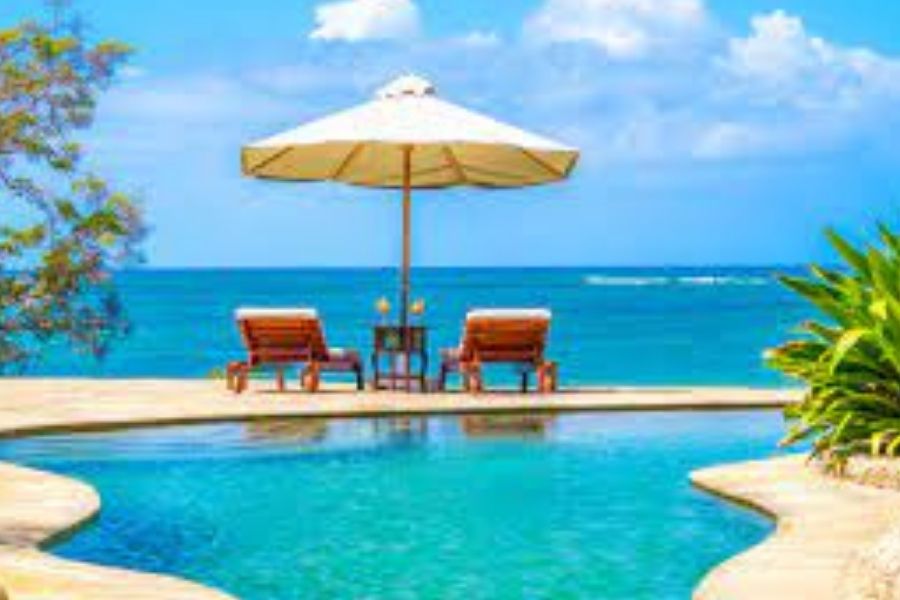
The Kenyan Coast commands a strong sense of identity; other than the sandy beaches and the blue turquois waters of the Indian Ocean, it will indeed enchant you with an impressive blend of scents, sounds and colours an d above all ... a superb dining option.
Mombasa is a colourful Island town with a picturesque blend of ancient and modern structures. The old town and its labyrinth of narrow twisting allays displays the beautiful carved doors, Arab verandas, Bazars with Curios and antique shops.
The mention of Malindi Town alone, it evokes the history dating back to the 15 th century when the Portuguese visited the shores, choosing it as a prime trading spot. This small town is at the centre of a strip of idyllic tropical beaches offering you a range of world’s class resorts and quiet relaxing hideaways.
Further south, the sleepy town of Watamu which is fronted by wide white beaches beckons you to a thrilling holiday experience. This tranquil haven is a home to several well-established resorts and many private guest houses scattered throughout the forest along the deserted shores.
Diani beach which is indisputably the most frequented beach destination in the coast of Kenya, has indeed played host to the high and mighty from all over the corners of the world. Located in South Coast, it has abundant hotels catering to all tastes from small boutique properties for the discerning travellers to a larger family hotels.
There are also self-catering properties where you can enjoy privacy and informality during your tour. At the vast South coast region, you will enjoy water sport activities such windsurfing, sailing, snorkeling, water skiing as well as Scuba diving among many others. Diani beach lies 35 Km south of Mombasa City.The beach covers the shore for about 25 Km and its adjacent to among others these famous destinations; Tiwi Beach, Galu Beach, Chale Island, Funzi Island and Kinondo Island.
DINING AT THE COAST.
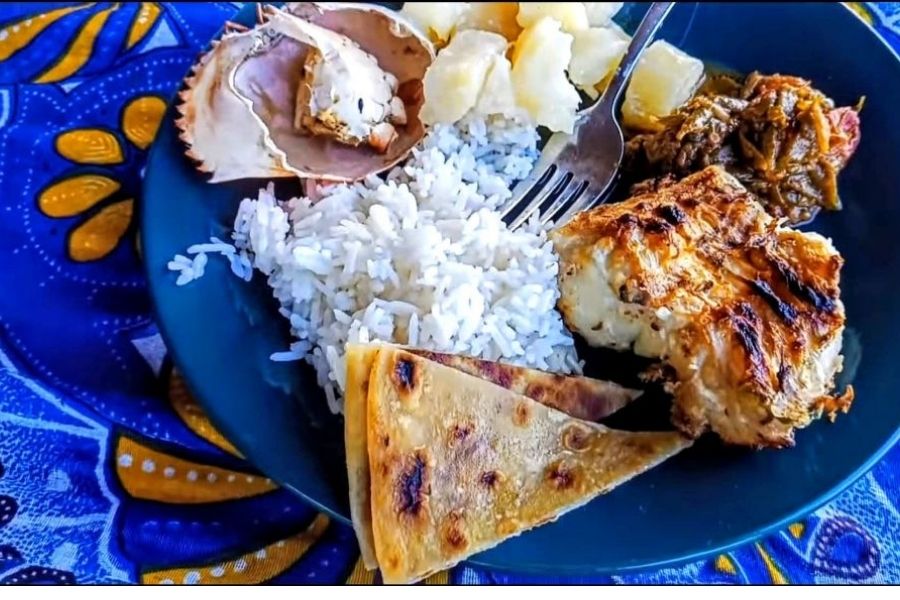
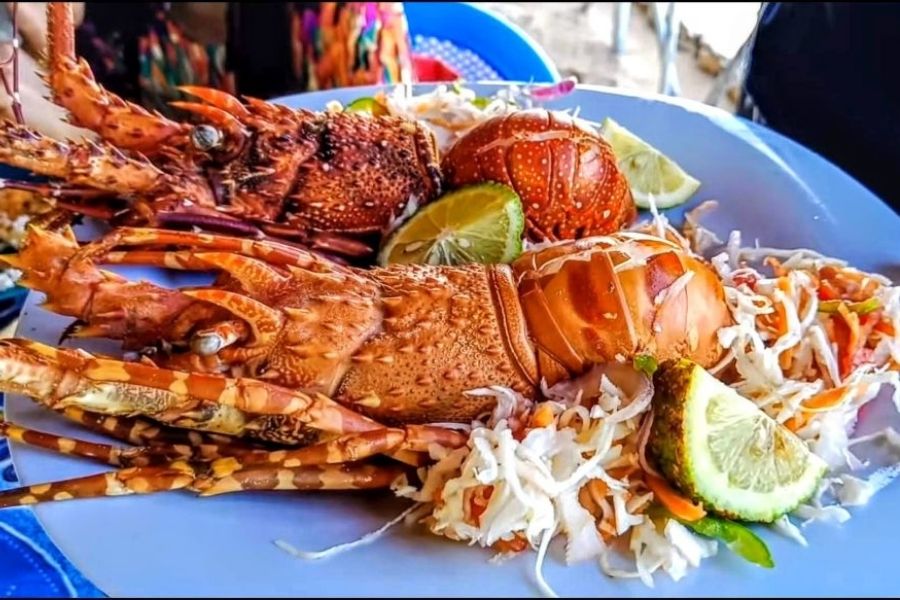
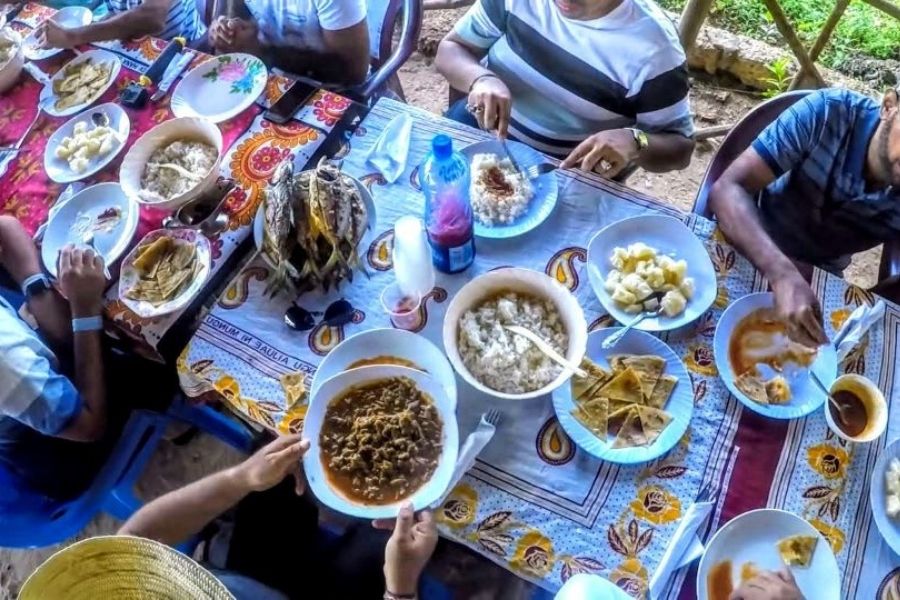
In the hinterland and along the entire coastline which covers about 536 Kms, there are wonderful dining facilities that vary vastly, offering anything from fine dining to casual eateries. Owing to the fusion of cultures, over at the years the coast there has been emergence of many cuisines to choose from bearing equivalent diversity with the cultures.
These includes the native Swahili cuisine which is incidentally a blend of Arabic, Indian and African Cooking styles. Some of the dishes with a heavy Indian and Arabic influence includes Pilau & Biryani. The Blend of African & Asian Cuisines also produces a wide range of Vegetarian dishes. Other major cuisines at the coast includes Indian, Chinese, Japanese, Italian, Continental and many more.
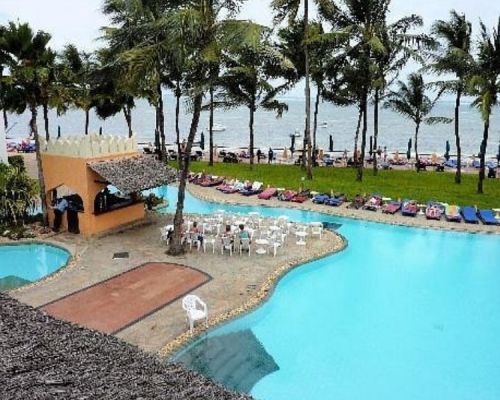
The coast is especially famed for freshly caught sea food which is indeed a highlight in virtually many outlet’s menus. Local cuisines borrowed from other parts of the country are also available where in most cases they are enhanced with a spicy coastal touch. The city hotels, beach hotels and resorts at the coast also offer a diverse choice of accommodation, conferencing facilities and a wide range of sporting and leisure activities.
PLACES TO VISIT.
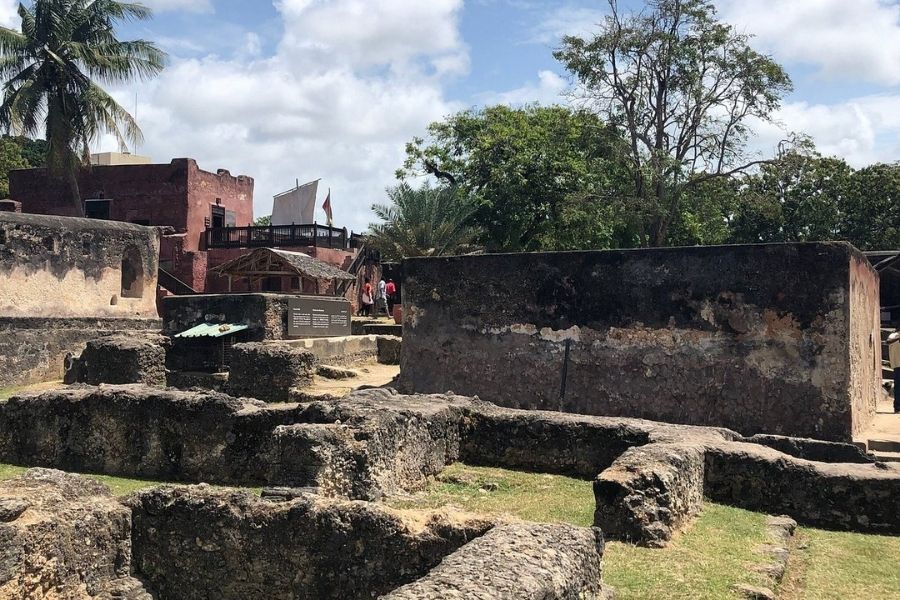
Fort Jesus – Built in 1593 by Portuguese, it’s located on the edge of a coral ridge overlooking the entrance to the old port of Mombasa. The Fort Jesus Museum houses findings from archeological excavations along the coast, within the fort, and a grand display of the culture and history of the coast and its people.
-
OLD TOWN (UNESCO WORLD HERITAGE SITE) -
This is a section of Mombasa city which will definitely take you back to the ancient days when the Arabs Immensely influenced the town’s way of life, setting pace for a whole new culture. Ancient buildings, exquisite art designs and curio shops that sells antique and popular Kenyan souvenirs characterizes the town. The wealth in cultural diversity encompassing a rich brew of locals, Arabs, Asians, Portuguese and the British who had co-existed for hundreds of years in this area has created a distinct character and culture, which has come to define the old town. -
GEDI RUINS-
The Gedi ruins are located in Gedi off the Malindi- Mombasa road along the road to Watamu. It dates back to the 13 th Century and was later abandoned in the 17 th Century. Gedi was a small town built entirely from rocks and stones, which was inhabited by a few thousands Swahili people and ruled by a very rich Sultan. -
VASCO DA GAMA PILLAR -
This pillar sits in a picturesque location on the sea front road near the Jetty. The Pillar can be reached from Scorpio Villas or alternatively from the Malindi’s Silversands area. The pillar is one of the oldest remaining monuments in Africa and was built in 1498 by the great Portuguese explorer, Vasco Da Gama as a sign of appreciation for the welcome he was given by the Sultan of Malindi. -
SIMBA HILLS NATIONAL RESERVE -
About 45 minutes from Diani, Simba Hills National Reserves is a raw taste of the wild side of the Kenyan Coast. A tropical rain forest, which is cool and refreshing, a far cry from the heat and humidity of the beach. Inside the forest is the magical Sheldricks’s water fall. -
OTHERS
- Haller park (the largest animal sanctuary in Mombasa),
- Mamba Village (East Africa’s largest crocodile farm),
- Mombasa tusks (a symbolic representation of entrance into the heart of Mombasa town),
- Hindu temple (an important symbol of Mombasa’s culture diversity),
- Mnarani ruins (an ancient Swahili Coastal Settlement dating back to the early 14 th Century)
- Mombasa marine Park and National Reserve (Rich in coral reef and abundant marine life),
- John Krapf Memorial (an area in Nyali with the Graves and Memorial of this Pioneer missionary and His Family
- Bombolulu workshop among others.
With all these at hand, you are surely spoilt for choice as a visitor bound to behold a vacation as flawless and elegant to befit the highest nobility. Blavals Adventure ensures that nothing indulges your senses of entitlement more than the magnificently aplanned overall tour experience.