
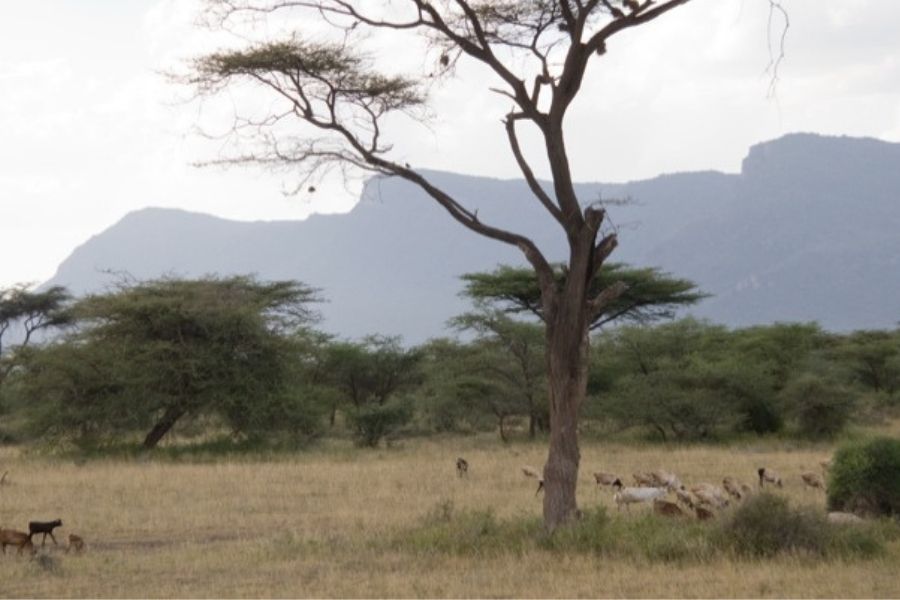
Shaba National Reserve
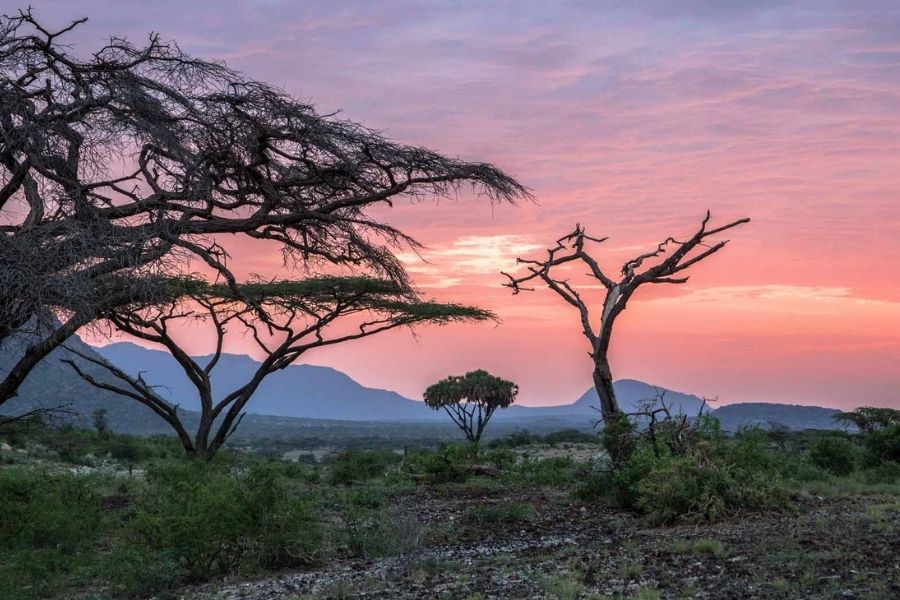
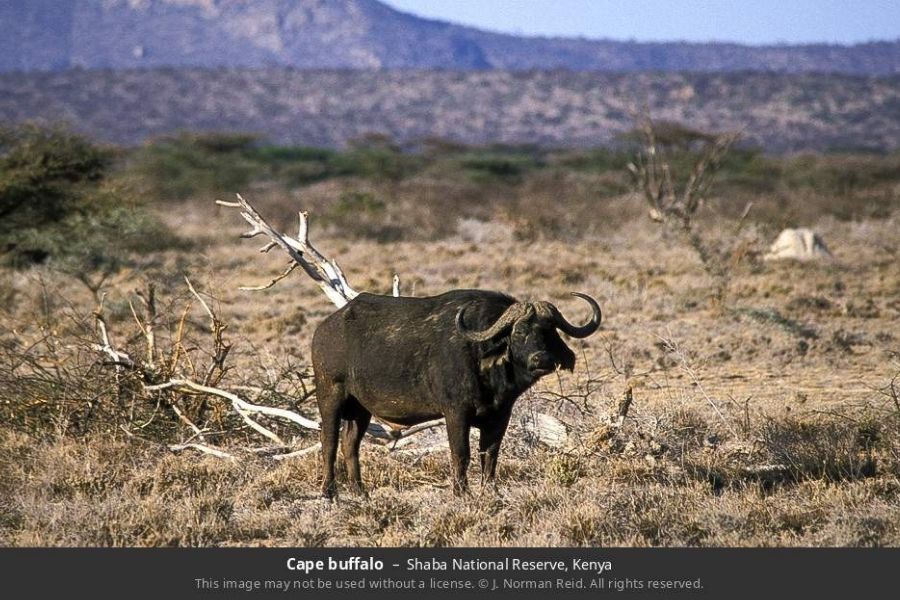
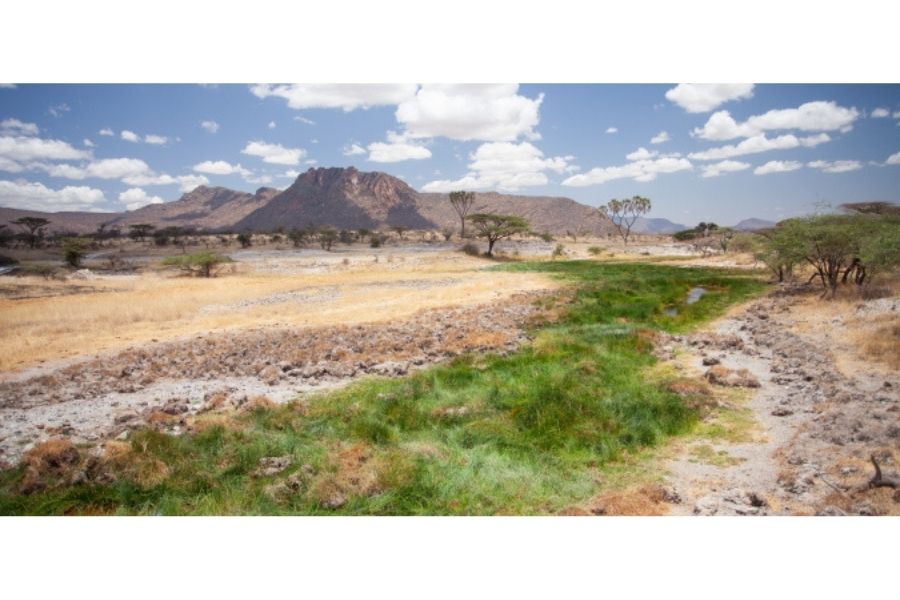
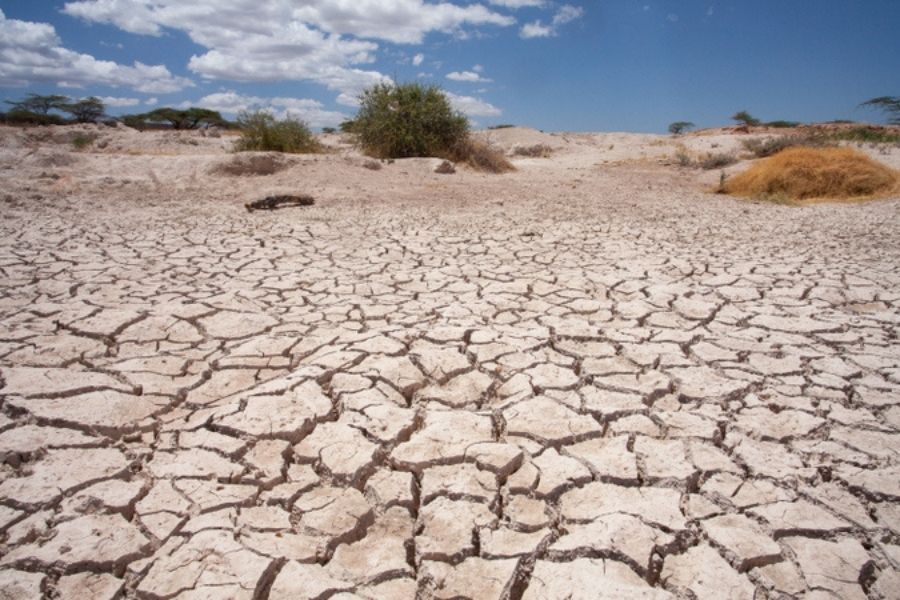
The trio ecological of Shaba, Samburu and Buffalo Springs offer an evocative cocktail of uniquely contrasting habitats, veering from stark cliffs and boulder-strewn scarps to lush swamps and muddy sandbanks; and from bone-dry bush to fronded riverine forests.
Hot and arid, this area is known by the local nomadic tribe, the Gabbra, as ‘the Plains of Darkness', whose heat-scorched scrublands extend all the way to the jade-green waters of Lake Turkana. Uncompromisingly rugged, yet vividly beautiful Samburu, verdant Buffalo Springs, and the wildly volcanic
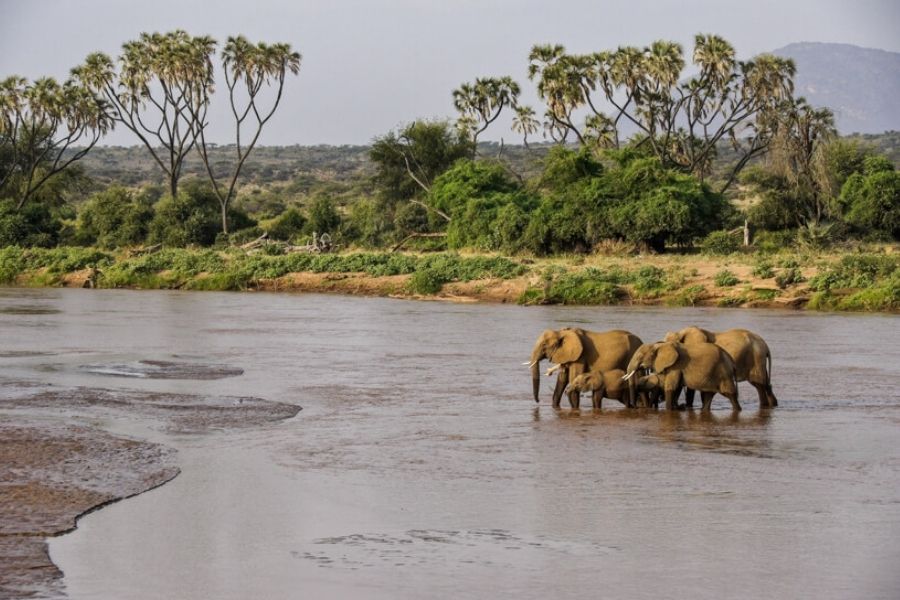
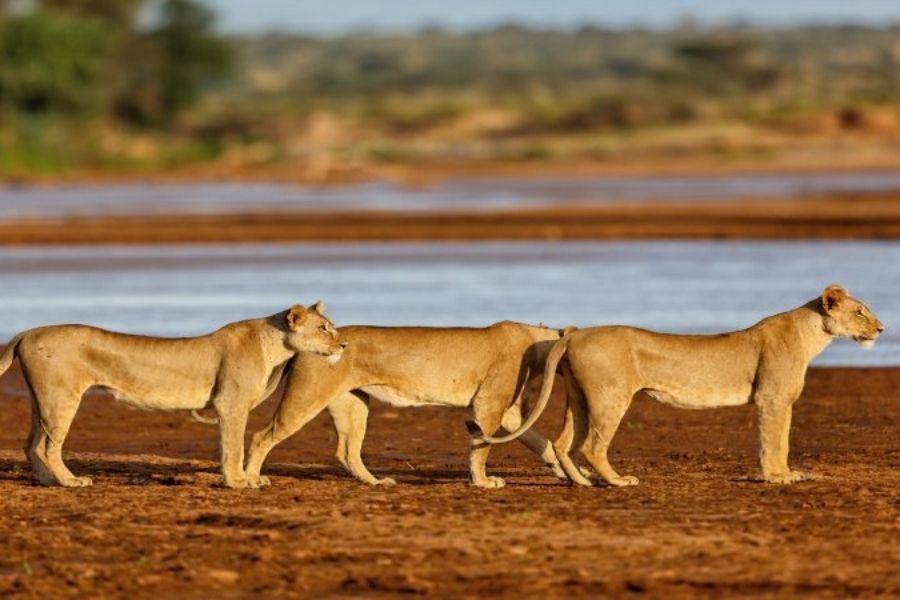
Shaba National Reserve (once the home of Joy Adamson of ‘Born Free' fame, and famous for its large prides of lion), all offer virtually guaranteed wildlife encounters, while elephant roam in large herds and are best seen crossing the river at dusk. Born free Shaba is famous as the home of Joy Adamson, author of Born Free.
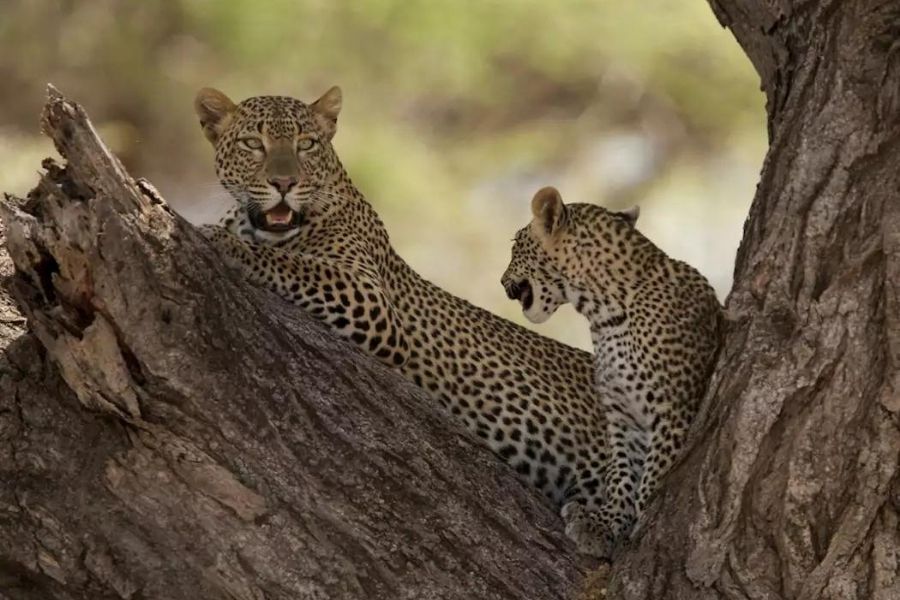
It was here that she was murdered in 1980. A plaque raised on her old campsite honors her memory. Plentiful predators Shaba holds healthy numbers of lions, leopards and cheetahs as well as spotted and striped hyenas, bat-eared foxes and common genets.
Unlike its sister reserves, Shaba is also one of the few places where can see the endangered wild dog.
A brilliance of birdlife Shaba's birdlife is so abundant that over 100 species can be spotted in a day. Perhaps most noteworthy of the sightings is the rare blue-shanked Somali ostrich; the most memorable, the flash of coral rump that flags the flight of the white-headed buffalo-weaver. Secretary birds are plentiful, as are bands of bustling helmeted and vulturine guinea fowls, saddle-billed stork, and red-billed hornbill. This is also one of the few places where you can see the rare William's lark.
Elephant encounters Prey to the harsh dictates of a dry country ecosystem, the reserve is prone to large variations in the animal populations as they move about in search of water and pasture. However, elephant encounters are common as large herds roam the reserve and they are best seen crossing the river, or returning to its banks at dusk to bathe.