Insights
- Masai Mara National Reserve is one of Africa’s most famous national parks and greatest wildlife reserves, found in Kenya.
- Masai Mara Kenya is situated in south-west Kenya side by side with the Serengeti National Park in Tanzania.
- Masai Mara National Reserve and Serengeti National Park form one of Kenya’s most beloved safari destinations, and Africa’s most diverse and magnificent eco-systems.
- Visitors not only have access to Masai Mara national reserve, but also to 100,000 acres of protected area.
Situated in the southwest of Kenya, covering an area of 1,510 square km (583 square miles), the Masai Mara National Reserve is a land of breathtaking vistas, abundant wildlife and endless plains.
Masai Mara National Reserve is named in honor of the Maasai people, the ancestral inhabitants of the area, who migrated to the area from the Nile Basin.
Their description of the area was derived from the name "Mara" which means "spotted" in the local Maasai language.
This is because of the many short bushy trees which dot the landscape.
Notable Interesting Facts about Masai Mara
- Maasai Mara's ecosystem spans around 3000 square km.
- Over 95 of mammals and 570 of bird species reside in the reserve.
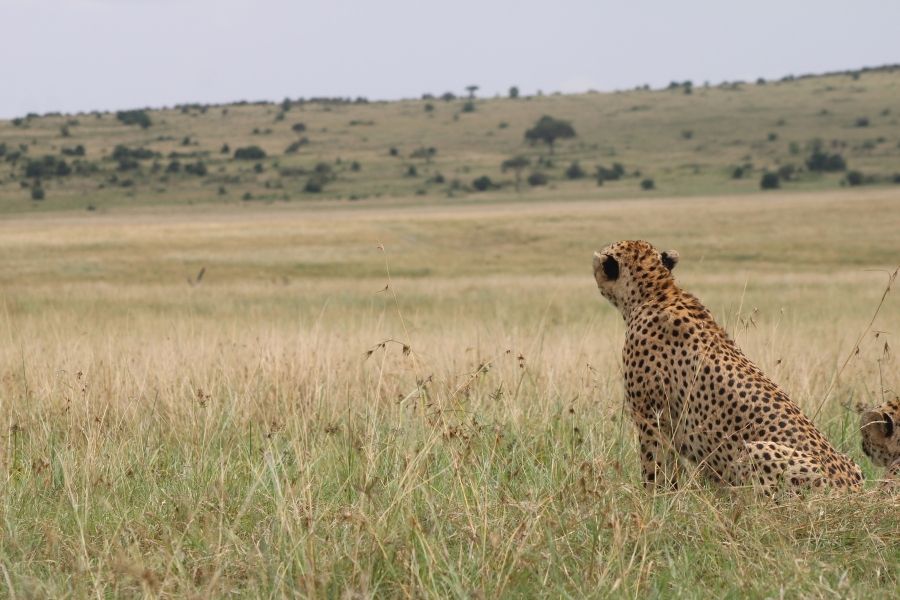
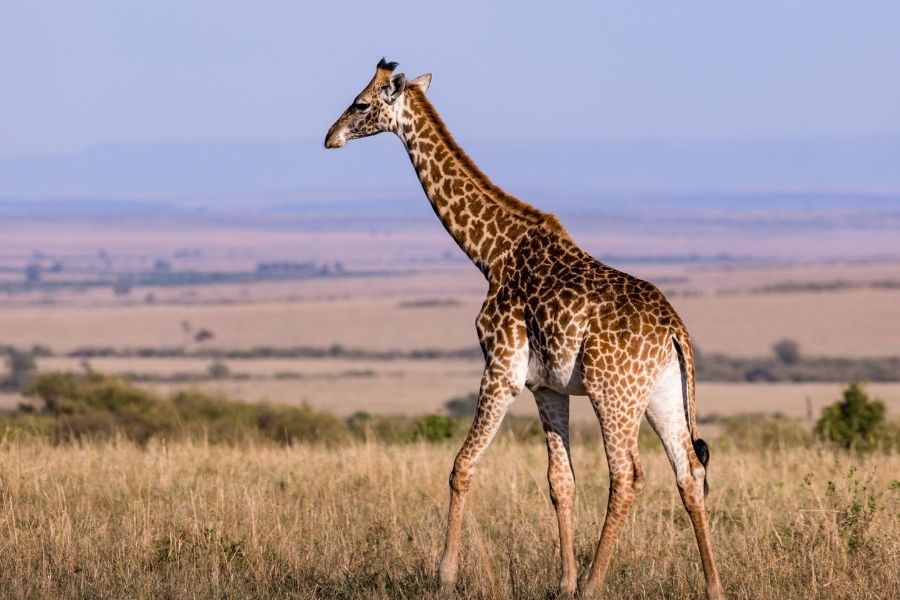
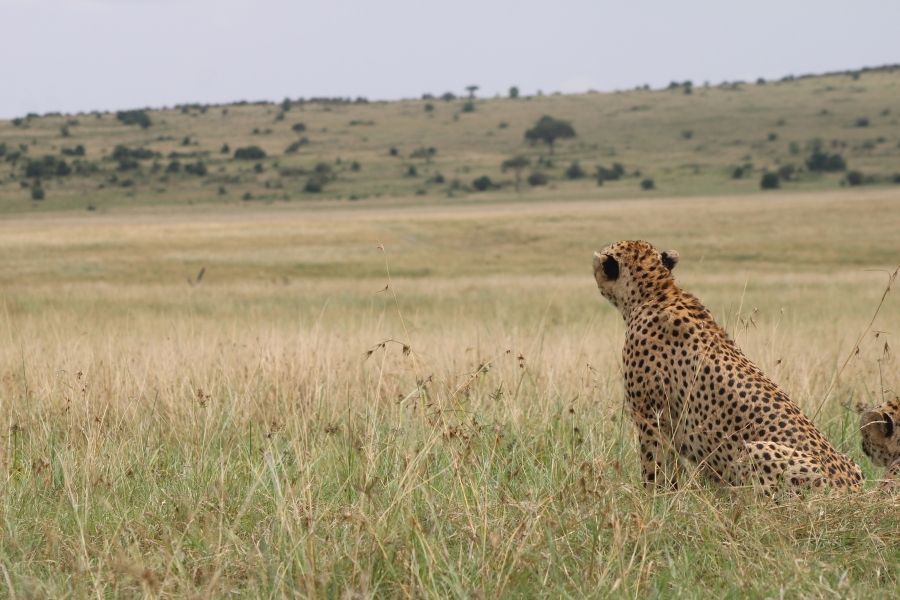
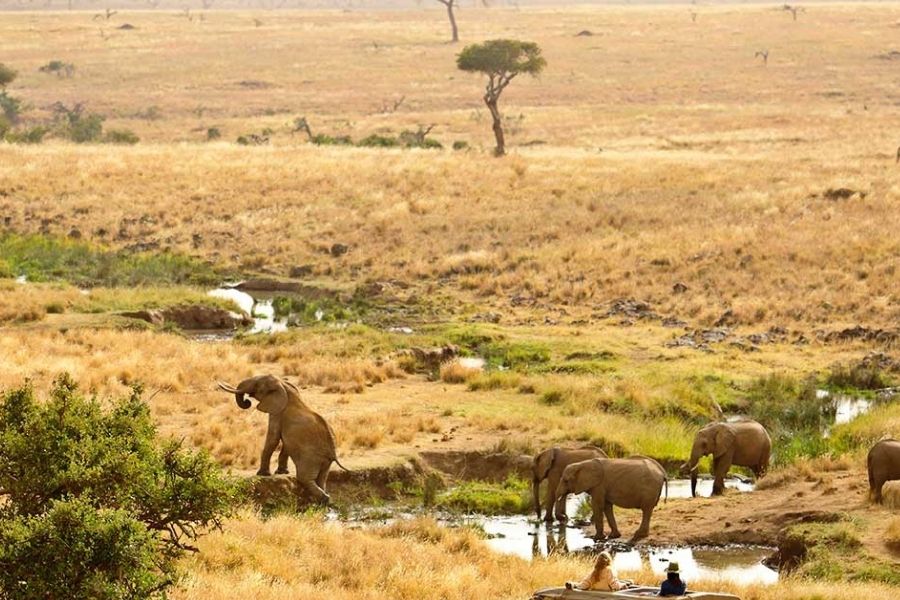
- The park has an exceptional amount of lions, cheetahs, leopards, and elephants.
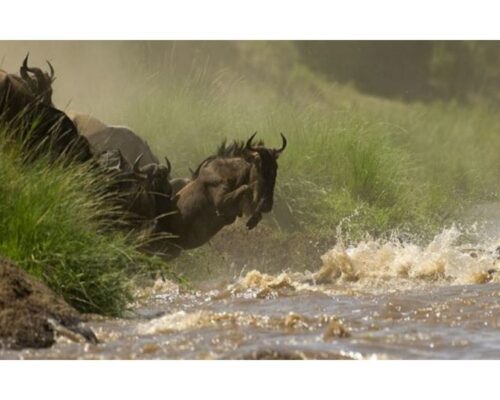
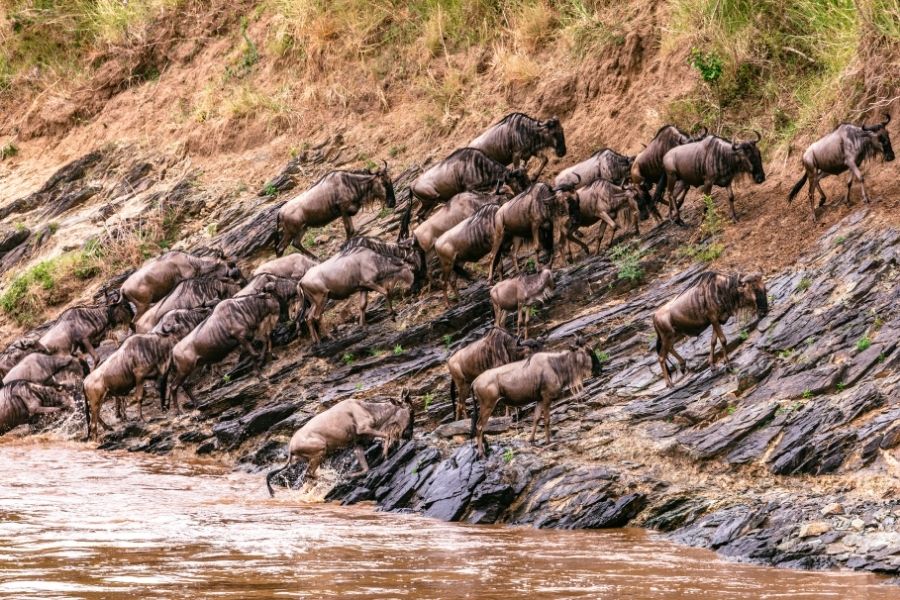
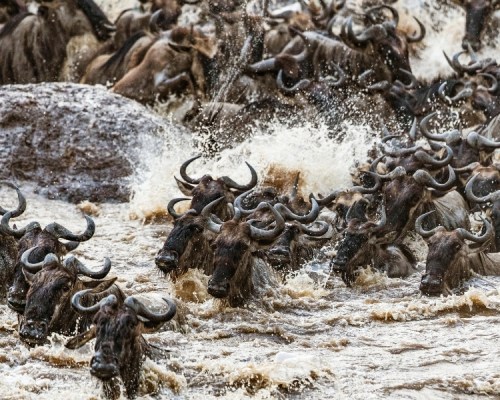
- The annual wildebeest great migration is one of the world’s most significant wildlife viewing spectacles.
- Numbers of elephants climbed in 2012, reaching 26,000 and still increasing.
How to get to Masai Mara Kenya
By Road:
- Going by road is the very best mean if you are curious about Kenya's countryside.
- The drive from Nairobi to Narok will take 2 to 2.5 hours, then from Narok to Masai Mara is 3 hours.
- As a complete journey therefore, driving from Nairobi to Masai Mara will take approximately 6 hours.
By Air:
- Flying from Nairobi takes 30 minutes. It is easier and more comfortable than driving.
- You can take a domestic flight from Wilson Airport (WIL) in Nairobi.
Masai Mara Weather
It has a semi-arid climate with biannual rains and two distinct rainy seasons.
- Masai Mara has a mild climate which varies due to changes in the altitude in the park.
- The dry season: From June to October. Temperature is 25°C (77°F) .
- This is the best time to be in the park at this time since it is rarely hot.
- The Wet Season: From November to May. Temperatures is around 13°C (55°F).
- There are many cloudy days though the daytime temperatures do not vary much.
Best Time to Visit
- During the dry season, between June to October and
- The short and long rains in January and February.
This is primarily because;
- The roads are not spoilt by the rain
- This is when the thirsty animals gather around the local waterways.
- There is large flocks of animals, considering that it's bearly in the last two months of the dry season, the annual wildebeest migration took place.
Activities.
- Game Drives Day or Night:
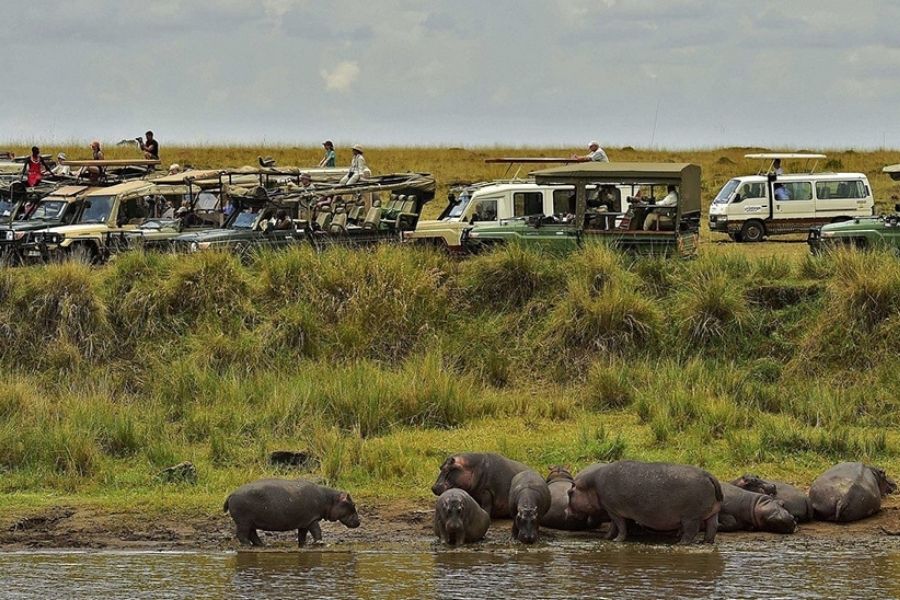
- This is an adventure excursion by vehicle into a wildlife area such as a National Park or Reserve purposely to explore the park and see the variety of wild animals in the natural habitat.
- The drives last 2 to 3 hours per drive in the morning and afternoon hours.
- Morning timings usually scheduled from 6.30am to 9am
- Afternoon timings being 3.30pm to 6.30pm
- Travelers however may sometimes opt for a full day game drive. This generally varies from as early as 7.30 am to 4pm
- In such a case the excursion will include a packed picnic lunch to be had inside the Masai Mara reserve at a designated picnic spot.
- Balloon Safaris:
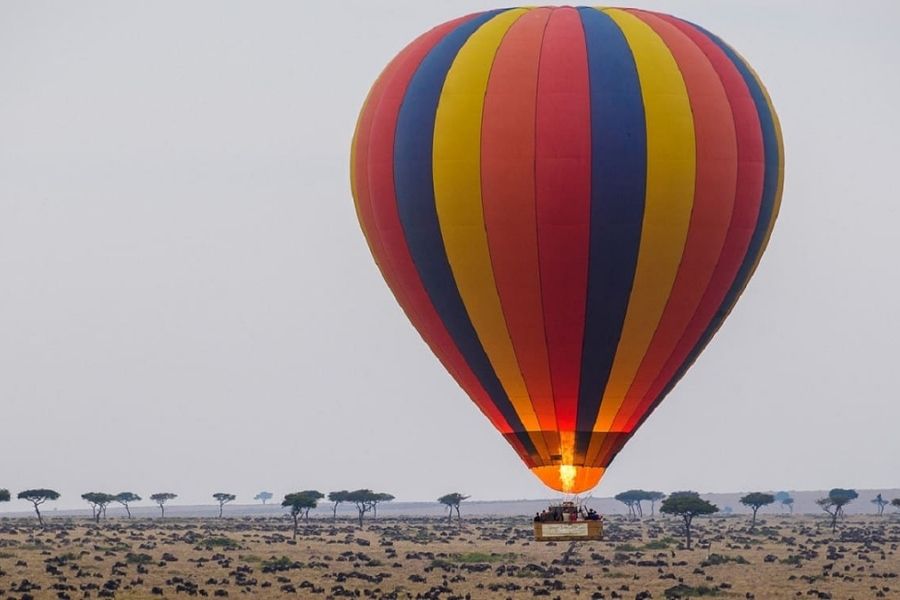
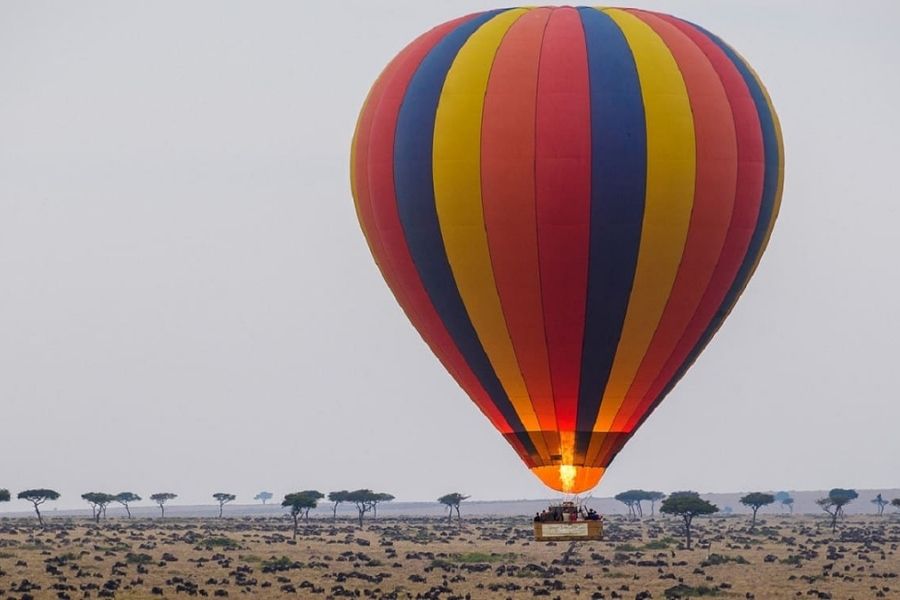
- Flying in a Hot Air Balloon over the Masai Mara plains is an evocative experience that you have the chance to enjoy during any safari you take to Maasai Mara.
- The balloon take offs at the break of dawn, around 6am, gliding silently during the ride over the savannah grasslands below where you may spot a variety of wildlife.
- The flight lasts an hour and concludes with a ''Champagne Bush Breakfast'' at the balloon landing site in the wilderness.
- The balloon is flown by a fully qualified and experienced Pilot and the balloons themselves are most often made by Cameron, a specialist hot air balloon manufacturer in Great Britain.
- The basket sizes vary and it is best to book the ride in advance as space is typically limited to a maximum of 16 passengers per balloon, often less if flying with a smaller basket. Images courtesy of Governors Balloons.
- Village Visit:
- This one hour visit to a Maasai village is a chance to interact with the Maasai and get a glimpse into their culture, unique way of life and see first hand some of their customs and practices.
- The Maasai village visit is typically an excursion included into a longer multi day Masai Mara safari tour, and couple of hours are set apart for this brief interactive visit to the village, which usually happens to be on the fringes of the main Mara game reserve boundaries.
- It should be noted that once at the village, you may be expected to buy some curio or souvenir from the villagers, though this is not mandatory
- The Maasai are known for their many unique cultural practices and traditions. Some of these originate from their nomadic way of life.
- Walking Safaris & Bush Walks:
- A bush walking safari is an adventure packed activity where participants embark on relaxed, guided walks in a wildlife conservation area with the objective of seeing wild animals in a more natural way without using vehicle.
- There are two types of nature walks offered while at Masai Mara.
- Nature walks within the camp: Takes approximately 45 minutes to 1 hour.
- Nature walks outside the main reserve: This Takes approximately 2 1/2 to 3 hours, covers a distance of 9 - 15 km and includes a packed breakfast/lunch.
- These nature walks are preferably done early mornings or late in the afternoon when the sun is not too hot.
- Almost all national parks in Kenya, with the exception of Hells Gate National Park, prohibit walking inside national parks.
- It is the same with the main Masai Mara National reserve, both on the Narok county side and the Mara Conservancy side.
- However, private conservancies surrounding the main reserve may allow for well planned and supervised walking safaris, while camps and lodges even inside the main reserve offer shorter nature walks, often just an hour long, within the immediate vicinity of the safari property.
- Horseback Safaris:
- Horse back safaris is indeed one of the most exhilarating experiences when you want to explore the raw wilderness of Africa.
- However horseback Safaris in Masai Mara are not permitted right inside the main Reserve. They are instead only offered in surrounding areas of the larger Maasai Mara private conservancies and game ranches.
- Accommodation while on a horse riding Safari in Kenya is often in the form of mobile camps which move along with the planned ride.
- These camps are a notch above basic camping and include comfortable bedding inside tents.
- This may vary from deluxe type camps more rudimentary 2 or 3 man tents but with various facilities included such as freshly cooked meals and help with pitching camp.
- Basic riding ability is a prerequisite for fully enjoying a Horseback tour in Masai Mara or other locations in Kenya where such safaris are offered including Laikipia, Amboseli, Mount Kenya and Lake Naivasha area
- Bush Meals & Sundowners:
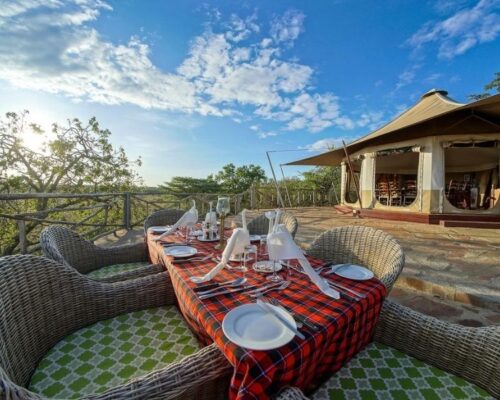
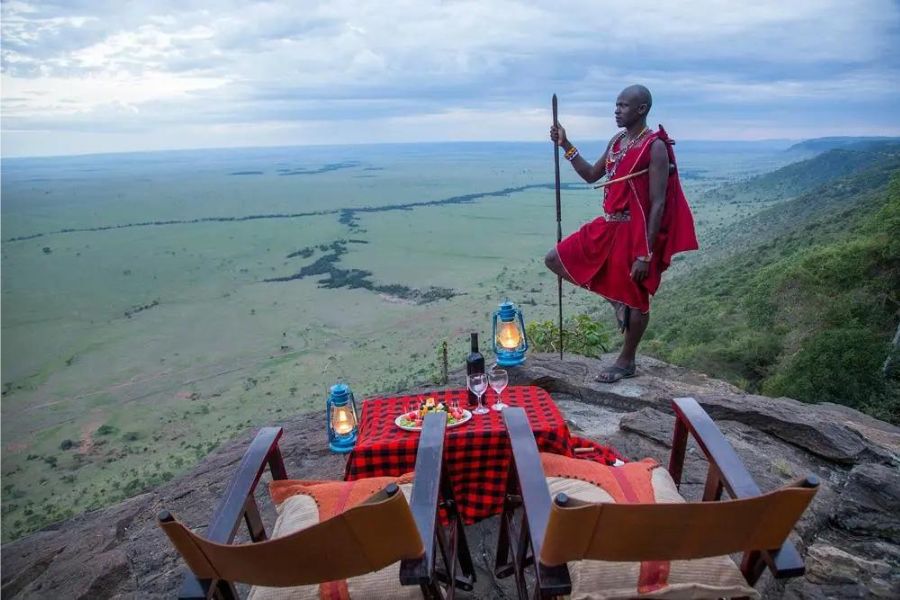
- If you desire to epitomise your joy to Masai Mara, then eating a meal in the raw wilderness of the African savannah with the views of the stunning landscapes and magnificent wildlife, is all you need. There are option to the activities set to be enjoyed with these special meals. They Are;
- Picnic Lunch: Arranged in packed lunch boxes during a full day game outing in the reserve so that one does not have to go back to the lodge.
- Bush Breakfast & Dinners: A more elaborate meal accompanied by bonfire, light music or tribal dance performances.
- Sundowners: Gorgeous sunset unfolding right before your eyes
- If you desire to epitomise your joy to Masai Mara, then eating a meal in the raw wilderness of the African savannah with the views of the stunning landscapes and magnificent wildlife, is all you need. There are option to the activities set to be enjoyed with these special meals. They Are;
- Witness the Wildebeest Migration
- The wildebeest migration is an annual event that takes place between the months of July and October.
- Million wildebeest, zebra, and gazelle migrate from Tanzania to Kenya’s Masai Mara in a continuous cycle chasing the rains and fresh grass.
- Furthermore, this is when the wildebeest give birth, besides lions and hyenas arrive at the mara.
- The Governors Camp and the IL Moran Camp are perfect places to witness the migration.
- Wedding
- Photography
- Camping
Wildlife of Masai Mara Kenya
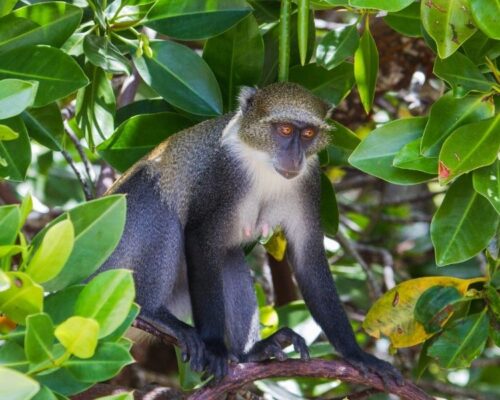
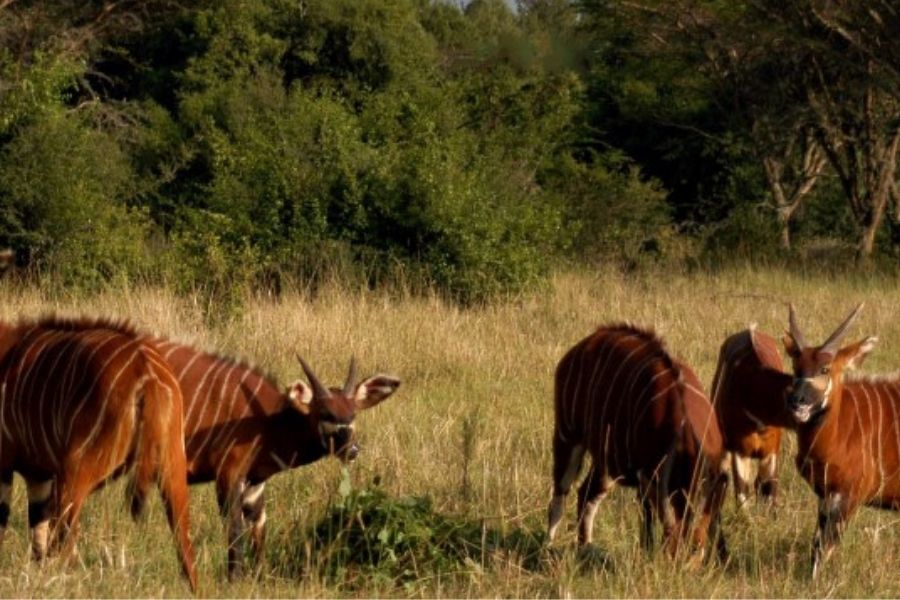
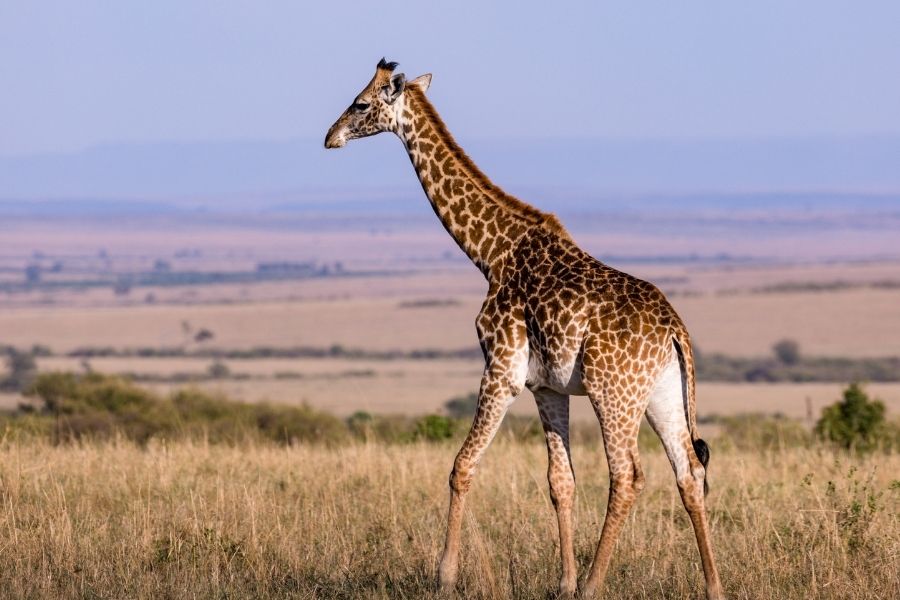
The wildlife in Masai Mara is considered one of the finest assembly of wild animals anywhere in the world.
There is a record of close to 90 species of Mammals and over 500 species of Birds in Masai Mara and the surrounding Great Mara ecosystem.
We have categorized the wildlife into a general Mammal list and Notable Birds commonly found in Masai Mara.
Most tourists come to East Africa hoping to see the so called ''Big 5'', namely Lion, Elephant, Rhino, Leopard and Buffalo. Well, the Mara is one of the few places in Africa where seeing all these five animal species is not just possible but also fairly likely during a 3 day safari.
The plains between the Mara River and the Esoit Siria Escarpment are probably the best area for game viewing, in particular regarding lion and cheetah.
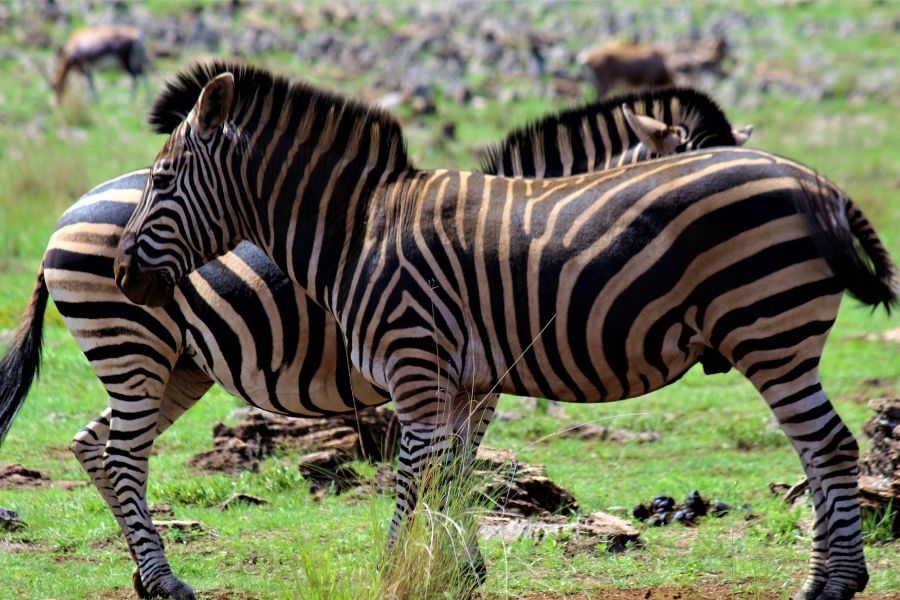
From July to October or later, Wildebeest, topi, zebra, and Thomson's gazelle migrate into and occupy the Mara reserve, from the Serengeti plains to the south and Loita Plains in the pastoral ranches to the north-east.
All members of the "Big Five" (lion, leopard, elephant, Cape buffalo, black and white rhinos) are found here all year round.
The population of black rhinos was severely depleted by poaching in the 1970s and early 1980s, dropping to a low of 15 individuals. Numbers have however increased with the help of he Maasai Mara through protecting an indigenous black rhino population
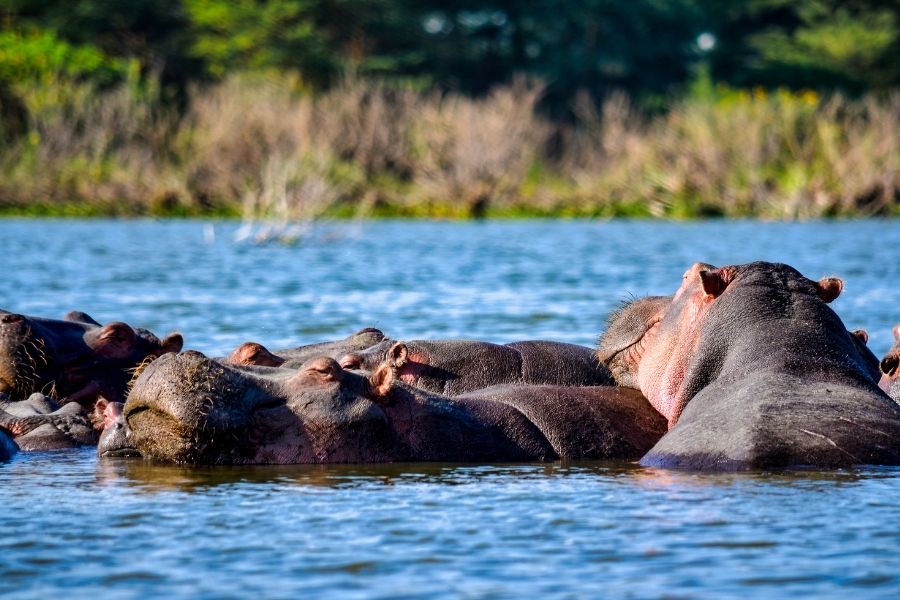
Hippos and crocs are found in large groups in the Mara and Talek rivers.
Wildebeest are the dominant inhabitants of the Maasai Mara, and their numbers are estimated in the millions. Around July of each year, these animals migrate north from the Serengeti plains in search of fresh pasture, and return to the south around October.
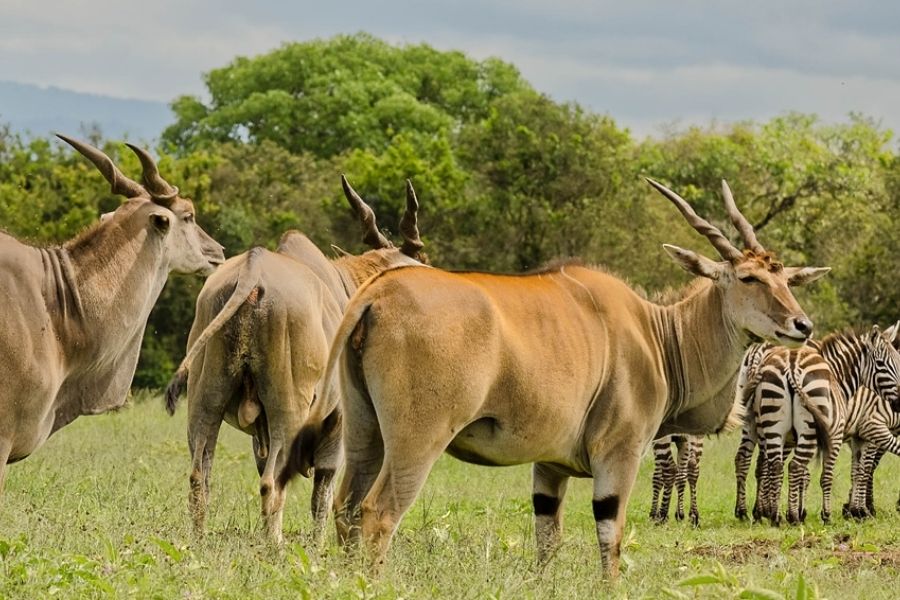
The Great Migration is one of the most impressive natural events worldwide, involving some 1,300,000 blue wildebeest, 500,000 Thomson's gazelles, 97,000 topi, 18,000 common elands, and 200,000 Grant's zebras.
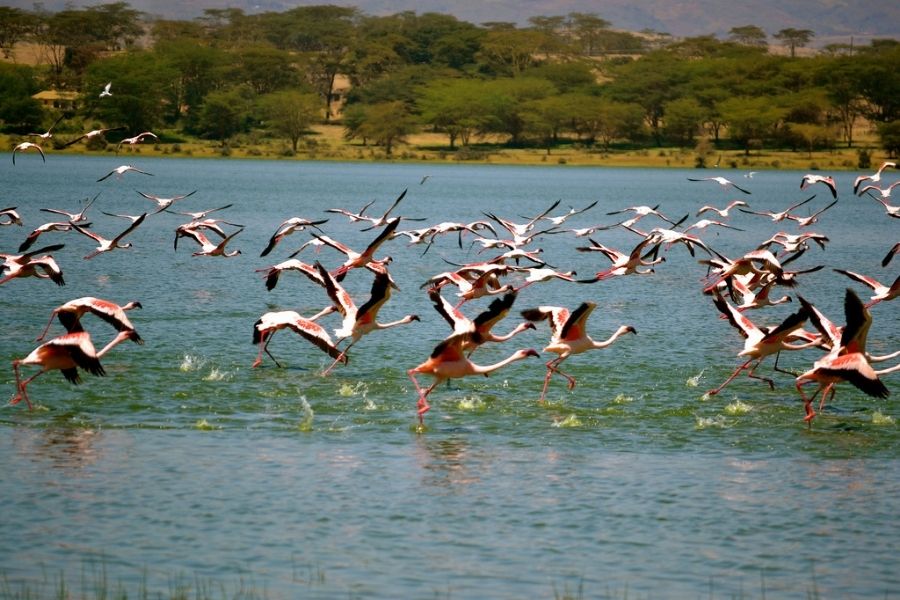
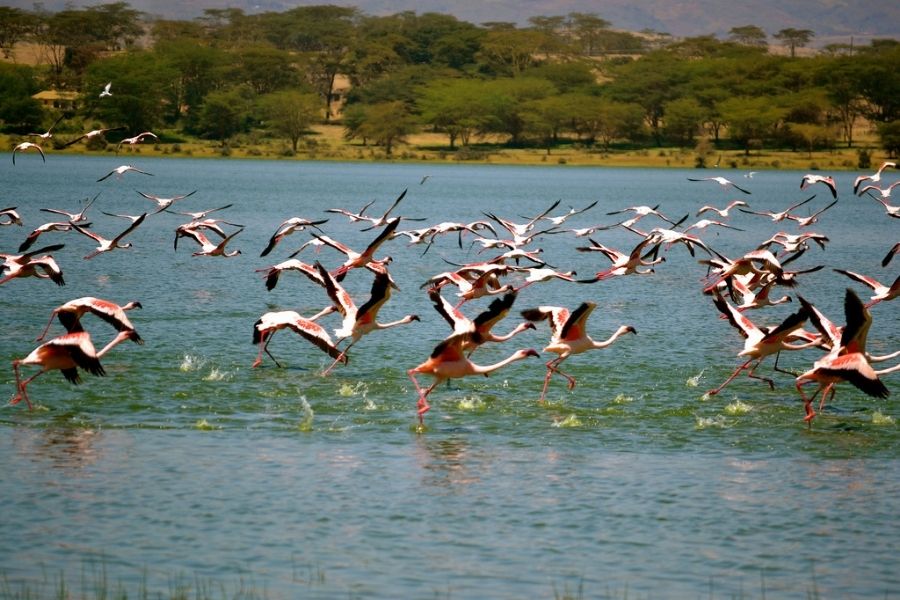
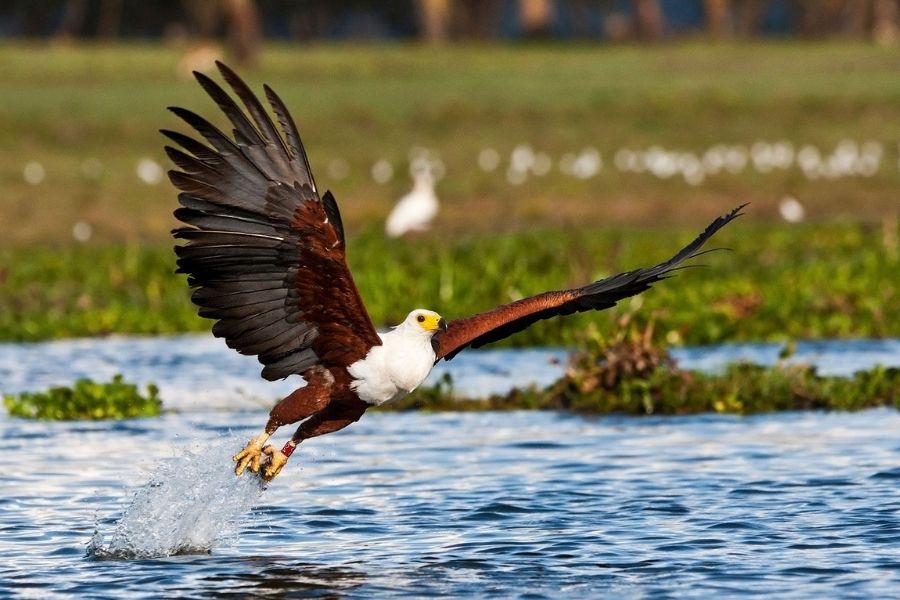
More than 470 species of birds have been identified in the park, many of which are migrants, with almost 60 species being raptors.
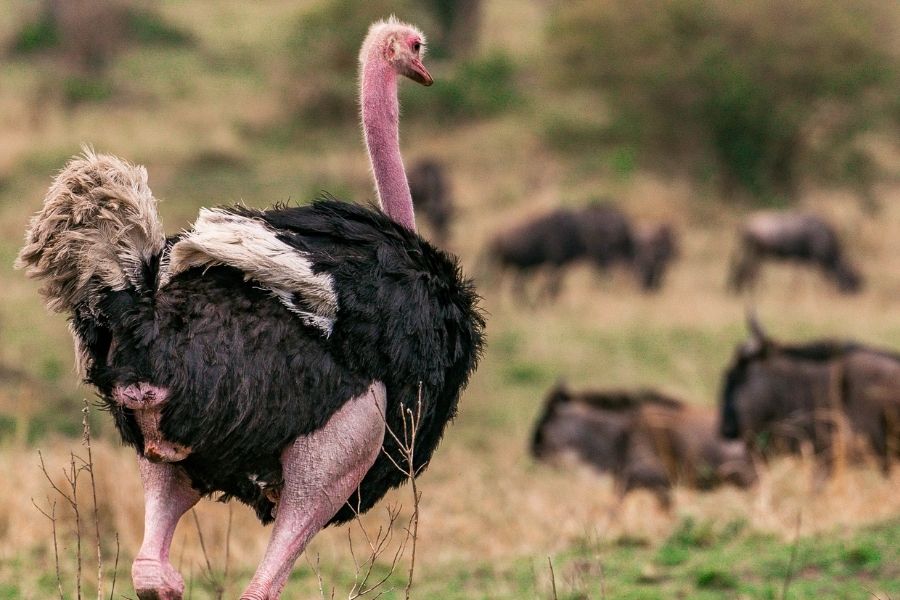
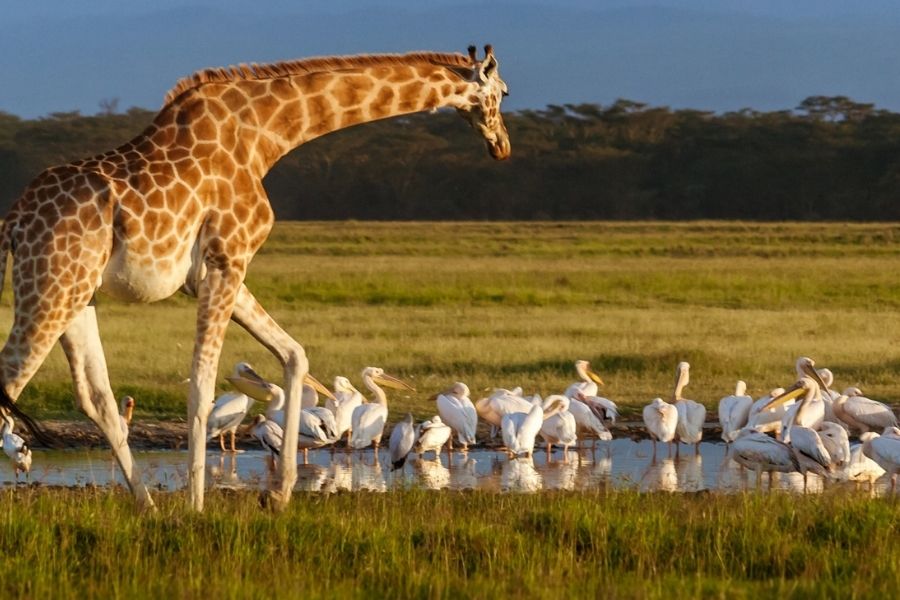
Birds that call this area home for at least part of the year include: vultures, marabou storks, secretary birds, hornbills, crowned cranes, ostriches, long-crested eagles, African pygmy-falcons and the lilac-breasted roller, which is the national bird of Kenya.
Where to stay in Masai Mara
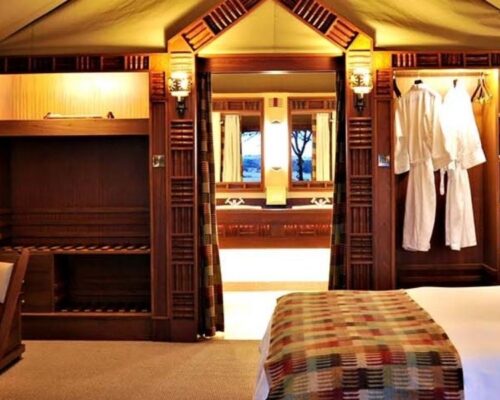
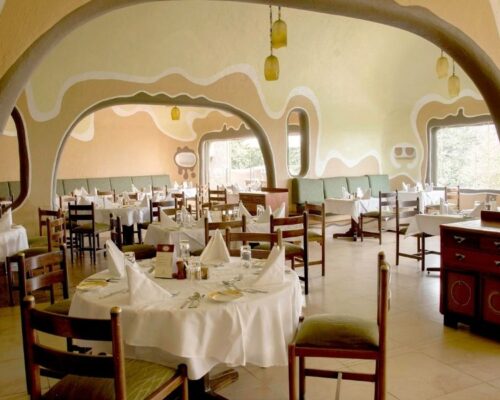
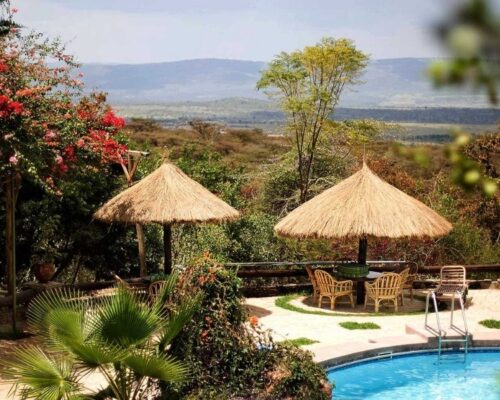
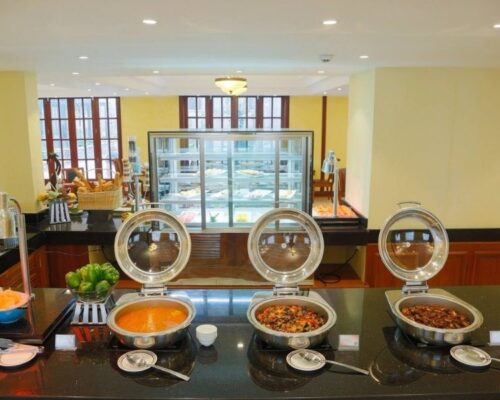
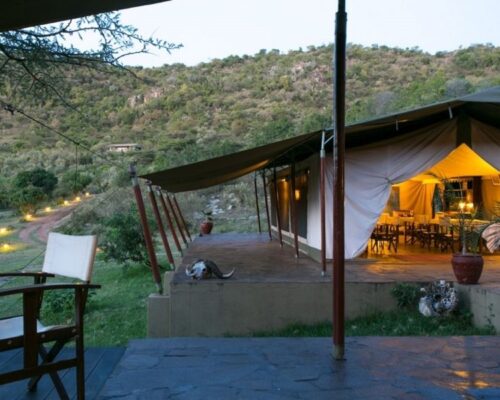
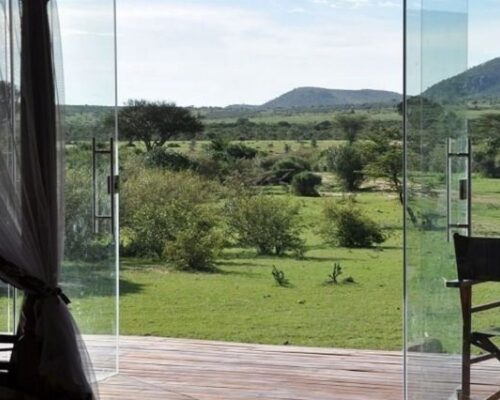
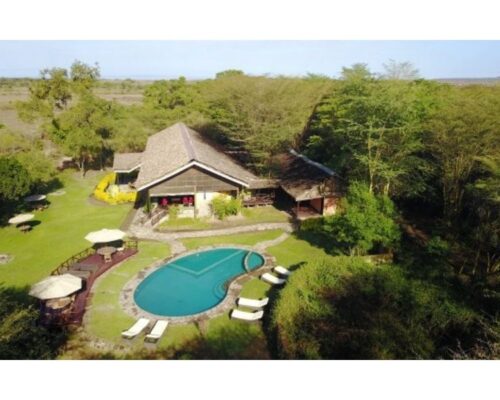
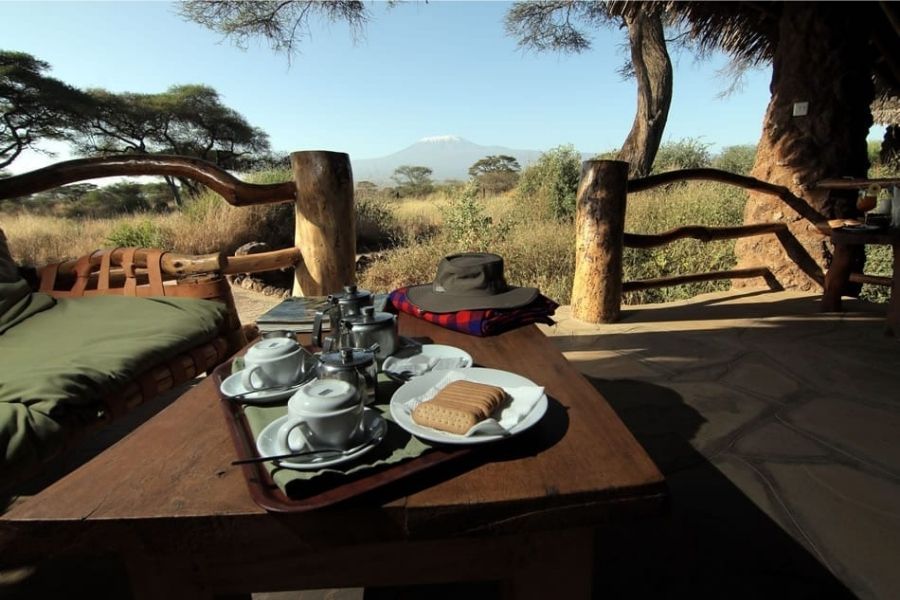
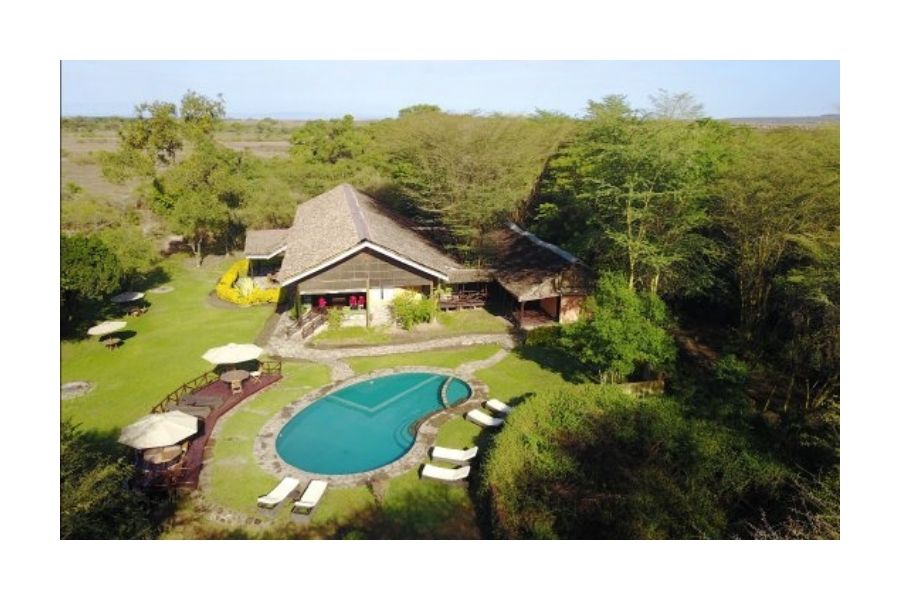
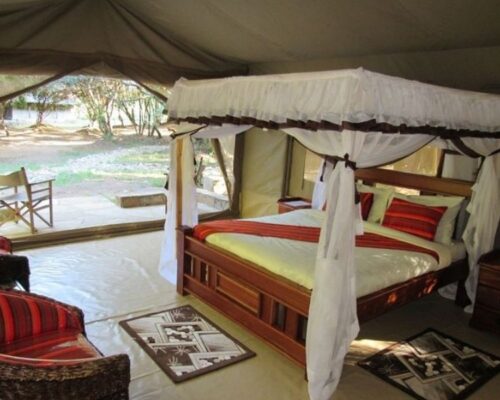
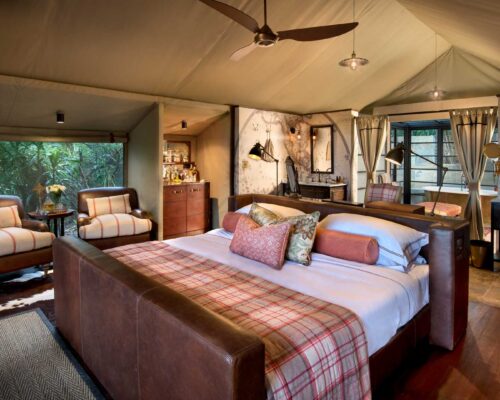
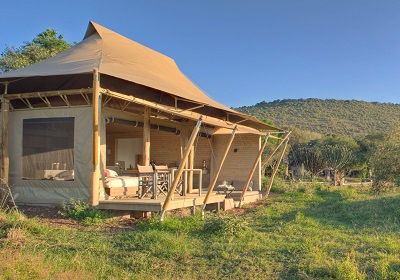
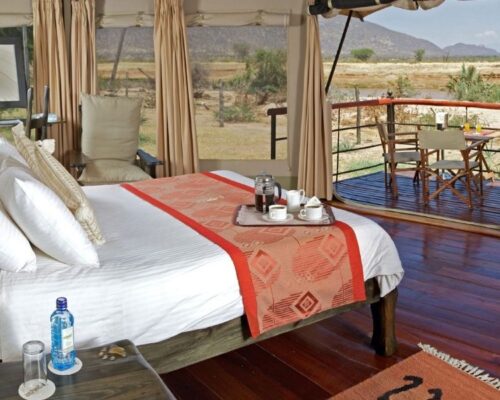
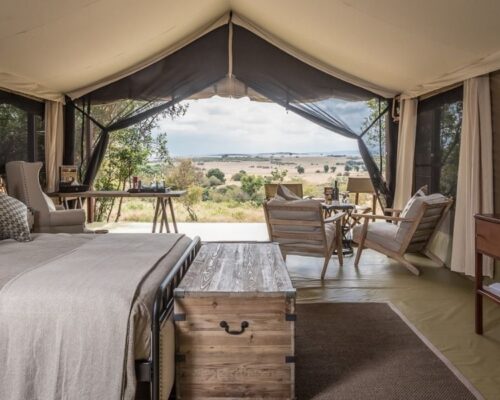
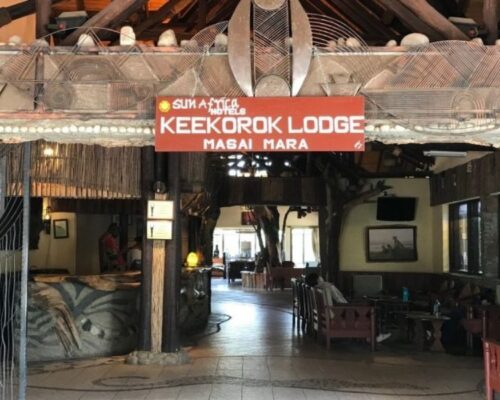
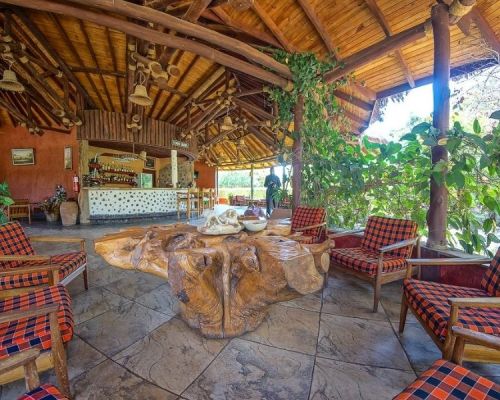
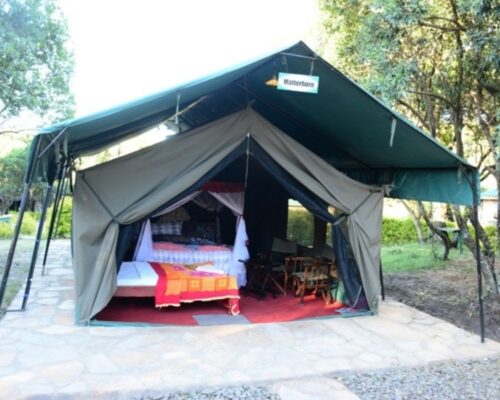
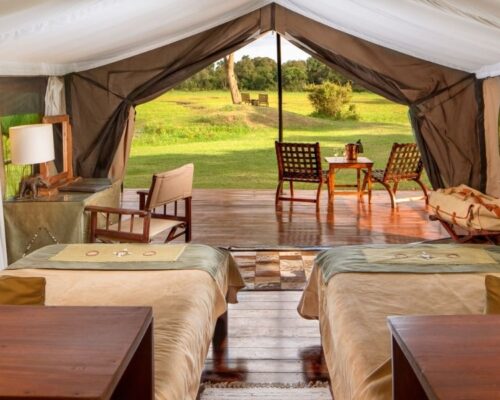
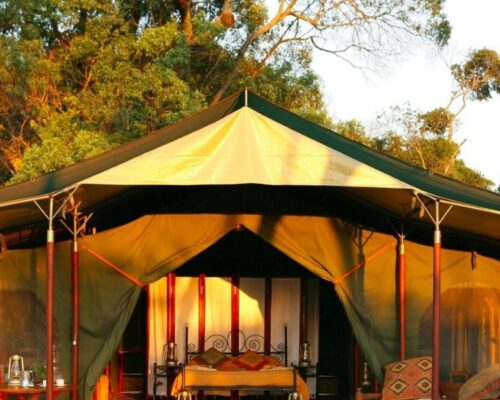
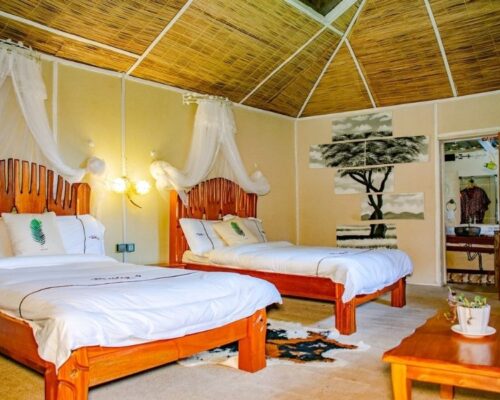
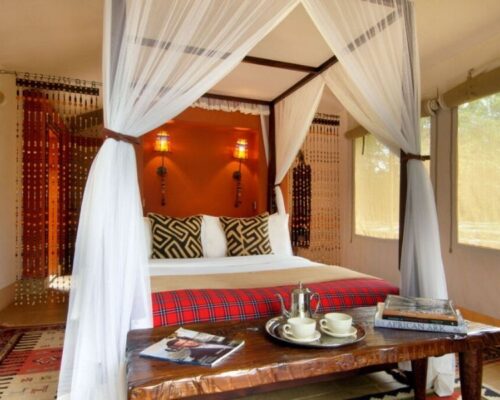
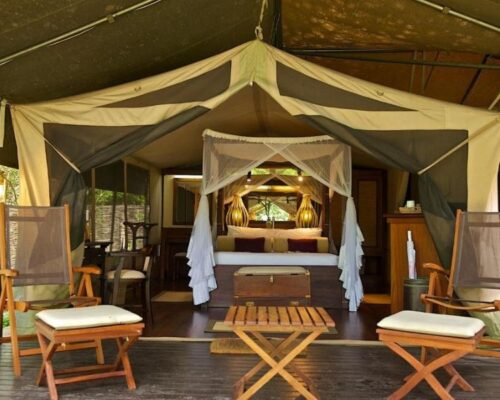
There are various accommodation options in Masai Mara Kenya National Park. they are categorized into 3 types:
- Tented Camps
- Safari Lodge
- Private Houses


.jpg "Emayian Camp | Masai Mara")

.jpg "Mara Leisure | Masai Mara")